

Are there any country - specific regulations for selling sterile elastic bandages?
As a supplier of Sterile Elastic Bandage, I've often been asked about the country - specific regulations for selling these essential medical products. The answer is a resounding yes. Different countries have varying rules and requirements that govern the sale and distribution of sterile elastic bandages, and understanding these regulations is crucial for any supplier in the industry.
In the United States, the Food and Drug Administration (FDA) plays a central role in regulating medical devices, including sterile elastic bandages. These bandages are classified as Class I medical devices, which generally have a low to moderate risk to the user. To sell sterile elastic bandages in the US, manufacturers must register their facilities with the FDA and list their products. They also need to comply with Good Manufacturing Practices (GMP), which ensure that the products are consistently produced and controlled according to quality standards. This includes maintaining proper documentation of the manufacturing process, testing the products for sterility, and ensuring that the labeling is accurate and includes all necessary information such as usage instructions, warnings, and expiration dates.
The European Union (EU) has its own set of regulations for medical devices. The Medical Device Regulation (MDR) came into effect in 2021 and replaced the previous directive. Under the MDR, sterile elastic bandages are also considered medical devices. Manufacturers must obtain a CE marking, which indicates that the product meets the EU's safety, health, and environmental protection requirements. To get the CE marking, companies need to go through a conformity assessment procedure. This may involve self - certification for low - risk devices like some types of sterile elastic bandages, but for higher - risk products, a notified body (an independent organization authorized by the EU) must be involved in the assessment. The labeling of the bandages in the EU must also comply with strict rules, including providing information in all official languages of the member states where the product is sold.
In Canada, Health Canada regulates medical devices. Sterile elastic bandages are classified according to their risk level, and suppliers must obtain a Medical Device License (MDL) to sell them in the country. Health Canada has specific requirements for product safety, efficacy, and quality. Manufacturers need to demonstrate that their products are manufactured in accordance with Canadian GMP standards. They also need to ensure that the labeling is clear and includes information about the product's intended use, proper storage conditions, and any potential hazards.
Australia has the Therapeutic Goods Administration (TGA) as its regulatory body for medical devices. Sterile elastic bandages are subject to the TGA's regulations. Suppliers must register their products with the TGA and comply with the Australian standards for medical devices. The TGA also requires that products meet certain quality and safety criteria, and manufacturers may need to provide evidence of product testing and validation.
In some Asian countries, such as Japan, the Pharmaceuticals and Medical Devices Agency (PMDA) regulates medical devices. Japanese regulations have their own unique requirements for the approval and sale of sterile elastic bandages. For example, products need to be tested according to Japanese standards, and the labeling must be in Japanese.
These are just a few examples of the country - specific regulations for selling sterile elastic bandages. There are many other countries around the world, each with their own set of rules and requirements. For instance, in South Africa, the South African Health Products Regulatory Authority (SAHPRA) is responsible for regulating medical devices. Suppliers need to comply with SAHPRA's regulations, which cover aspects such as product registration, quality control, and labeling.
The importance of these regulations cannot be overstated. They are in place to protect the health and safety of consumers. By ensuring that sterile elastic bandages are manufactured, labeled, and sold in accordance with the relevant regulations, we can be confident that the products are of high quality and fit for their intended use.
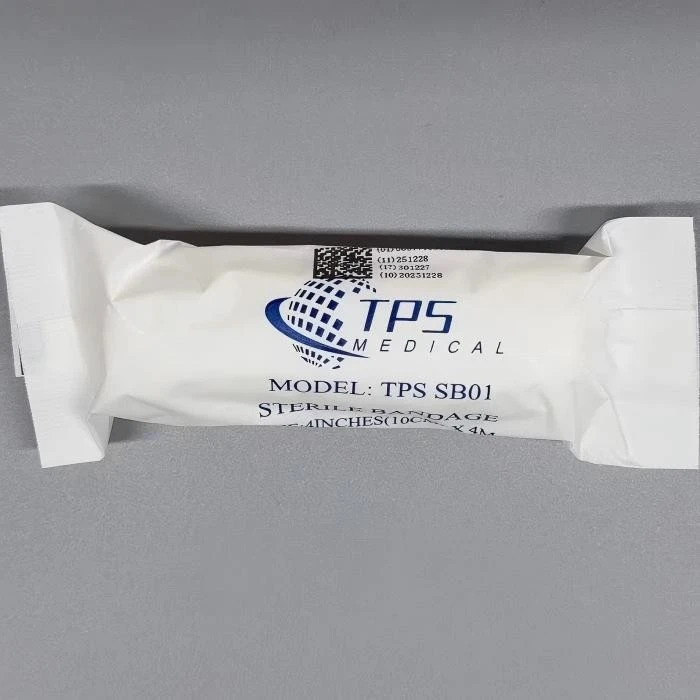
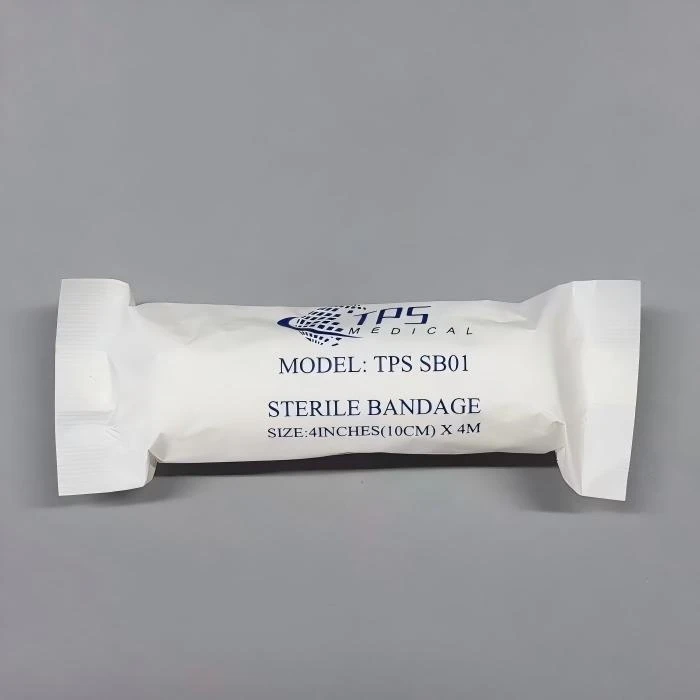
As a supplier, navigating these regulations can be a complex and time - consuming process. However, it is essential for the success of our business. We need to stay up - to - date with the latest regulatory changes in each country where we want to sell our products. This may involve working with regulatory experts, attending industry conferences, and regularly monitoring official regulatory websites.
In addition to the basic regulatory requirements, there are also other factors that can affect the sale of sterile elastic bandages in different countries. For example, cultural and market preferences can play a role. In some countries, there may be a higher demand for certain types of bandages, such as Emergency Trauma Bandage, which are designed for use in more serious injuries. Understanding these market trends and preferences can help us tailor our product offerings and marketing strategies.
Another aspect to consider is the competition in each country. In some markets, there may be a large number of suppliers offering similar products. To stand out, we need to not only meet the regulatory requirements but also offer high - quality products at competitive prices. We can also focus on providing excellent customer service, such as fast delivery and responsive after - sales support.
In conclusion, if you are a potential buyer of sterile elastic bandages, it is important to understand the country - specific regulations in your area. And if you are looking for a reliable supplier, we are here to help. We have extensive experience in dealing with different regulatory environments and can ensure that our products meet all the necessary requirements. Whether you need a small quantity for a first - aid kit or a large order for a medical facility, we can provide you with high - quality sterile elastic bandages.
If you are interested in purchasing our products or have any questions about our offerings, please feel free to reach out to us. We are eager to start a conversation and discuss how we can meet your needs.
References
- U.S. Food and Drug Administration (FDA). Regulations for medical devices.
- European Union Medical Device Regulation (MDR).
- Health Canada. Medical device regulations.
- Therapeutic Goods Administration (TGA) of Australia. Medical device guidelines.
- Pharmaceuticals and Medical Devices Agency (PMDA) of Japan. Medical device approval process.
- South African Health Products Regulatory Authority (SAHPRA). Medical device regulations.