

Cleaning a wound before applying a medical bandage is a crucial step in the wound - care process. As a medical bandages supplier, I understand the importance of proper wound cleaning to ensure effective healing and prevent infections. In this blog, I'll share detailed steps on how to clean a wound before using our high - quality medical bandages, such as the High Elastic Bandage, Crepe Bandage Elastic, and PBT Conforming Bandage.

Step 1: Gather the Necessary Supplies
Before you start cleaning the wound, it's essential to have all the required supplies at hand. You'll need clean water (preferably distilled or boiled and cooled), mild soap, clean gauze pads or cotton balls, a pair of clean tweezers (if there are visible debris in the wound), and a suitable medical bandage. Our range of medical bandages is designed to meet different wound - care needs, whether it's a minor cut or a more significant abrasion.
Step 2: Wash Your Hands
Your hands can carry a variety of bacteria, so it's vital to wash them thoroughly before touching the wound. Use warm water and mild soap, and scrub your hands for at least 20 seconds, including the backs of your hands, between your fingers, and under your nails. Rinse well and dry your hands with a clean towel or paper towel. This simple step can significantly reduce the risk of introducing new bacteria to the wound.
Step 3: Assess the Wound
Take a close look at the wound to determine its severity. If it's a minor cut or abrasion, you can usually clean it at home. However, if the wound is deep, bleeding heavily, has jagged edges, or shows signs of infection (such as redness, swelling, pus, or a foul odor), it's best to seek medical attention immediately.
Step 4: Remove Any Debris
If there are visible foreign objects in the wound, such as dirt, glass, or gravel, use a pair of clean tweezers to carefully remove them. Be gentle to avoid causing further damage to the wound. If the debris is deeply embedded or difficult to remove, do not force it. Instead, cover the wound with a clean cloth and seek medical help.
Step 5: Clean the Wound
Gently rinse the wound with clean water. You can use a clean cup or a syringe to pour water over the wound. This helps to flush out any remaining debris and bacteria. If the wound is dirty, you can add a small amount of mild soap to the water. However, make sure to rinse the wound thoroughly to remove all traces of soap, as soap can irritate the wound.
Step 6: Pat the Wound Dry
After rinsing, use a clean gauze pad or a cotton ball to gently pat the wound dry. Avoid rubbing the wound, as this can cause further irritation and damage to the delicate skin tissue.
Step 7: Apply an Antiseptic (Optional)
Depending on the nature of the wound, you may choose to apply an antiseptic solution, such as hydrogen peroxide or iodine. However, it's important to note that some antiseptics can be harsh on the skin and may delay the healing process. If you decide to use an antiseptic, apply it carefully using a clean cotton ball or gauze pad, following the instructions on the product label.
Step 8: Choose the Right Medical Bandage
Once the wound is clean and dry, it's time to choose the appropriate medical bandage. Our company offers a wide range of bandages, each with its unique features.
The High Elastic Bandage is ideal for areas that require flexibility, such as joints. It provides a secure and comfortable fit, allowing for natural movement while protecting the wound.
The Crepe Bandage Elastic is a versatile option that can be used for both minor and moderate wounds. It has good breathability, which helps to keep the wound dry and promotes faster healing.
The PBT Conforming Bandage conforms well to the body's contours, making it suitable for irregularly shaped wounds. It offers excellent support and protection.
Step 9: Apply the Medical Bandage
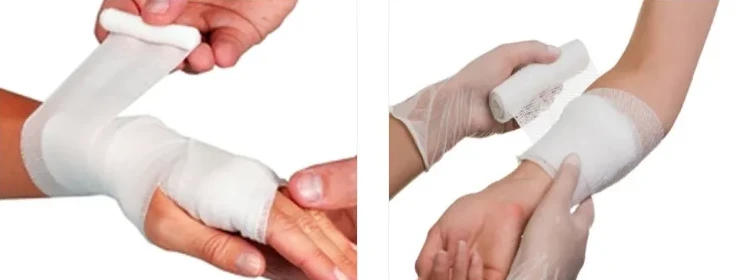
Unroll the bandage and place it over the wound. Start at the end closest to the heart and wrap the bandage around the wound in a spiral motion. Make sure the bandage is not too tight, as this can restrict blood circulation. However, it should be snug enough to stay in place and provide adequate protection. Secure the end of the bandage with tape or a clip.
Step 10: Monitor the Wound
After applying the bandage, it's important to monitor the wound regularly. Check for any signs of infection, such as increased pain, redness, swelling, or the presence of pus. If you notice any of these symptoms, remove the bandage and seek medical advice.
Importance of Proper Wound Cleaning
Proper wound cleaning is essential for several reasons. Firstly, it helps to remove dirt, debris, and bacteria from the wound, reducing the risk of infection. An infected wound can lead to complications, such as cellulitis, abscess formation, or even sepsis in severe cases. Secondly, clean wounds heal faster. By removing the barriers to the healing process, the body can focus on repairing the damaged tissue more efficiently.
Why Choose Our Medical Bandages
Our medical bandages are made from high - quality materials that are safe and effective for wound care. They are designed to provide optimal protection, comfort, and support. Whether you're a healthcare professional or an individual looking for reliable wound - care products, our bandages are a great choice.
Conclusion
Cleaning a wound before applying a medical bandage is a simple yet crucial step in the wound - care process. By following the steps outlined in this blog, you can ensure that the wound is clean and properly protected. Our range of medical bandages, including the High Elastic Bandage, Crepe Bandage Elastic, and PBT Conforming Bandage, is designed to meet your diverse wound - care needs.
If you're interested in purchasing our medical bandages for your healthcare facility or personal use, we invite you to contact us for a detailed product catalog and to discuss your specific requirements. We look forward to serving you and helping you provide the best possible wound care.
References
- American Academy of Dermatology Association. "How to Clean a Wound."
- World Health Organization. "Guidelines on Hand Hygiene in Health Care."
- Mayo Clinic. "Wound Care: When to Seek Medical Attention."