

Medical tapes are widely used in healthcare settings for a variety of purposes, including wound dressing, securing medical devices, and providing support to joints and muscles. As a medical tape supplier, I understand the importance of these products in the medical field. However, a common question that arises is whether medical tape can cause skin irritation. In this blog post, I will delve into this topic, exploring the factors that can lead to skin irritation and how to mitigate these risks.
Understanding Skin Irritation Caused by Medical Tape
Skin irritation from medical tape is a well - recognized concern. It can manifest in different ways, ranging from mild redness and itching to more severe reactions such as blistering and skin breakdown. There are several factors that contribute to the development of skin irritation when using medical tape.
Adhesive Properties
The adhesive used in medical tape is one of the primary culprits. Some adhesives are formulated to provide a strong and long - lasting bond, which is essential for keeping the tape in place. However, these strong adhesives can be harsh on the skin. For example, certain rubber - based adhesives can cause an allergic reaction in some individuals. This type of reaction is known as contact dermatitis, which can be either irritant or allergic in nature. Irritant contact dermatitis occurs when the adhesive directly damages the skin's protective barrier, leading to inflammation. Allergic contact dermatitis, on the other hand, is an immune response to a specific allergen in the adhesive.
Material of the Tape
The material of the medical tape itself can also play a role in skin irritation. Non - breathable materials, such as some plastic - based tapes, can trap moisture against the skin. This creates a warm and wet environment, which is conducive to the growth of bacteria and fungi. Prolonged exposure to this environment can lead to maceration of the skin, making it more vulnerable to irritation.
Types of Medical Tape and Their Irritation Potential
Let's take a look at different types of medical tapes and how likely they are to cause skin irritation.
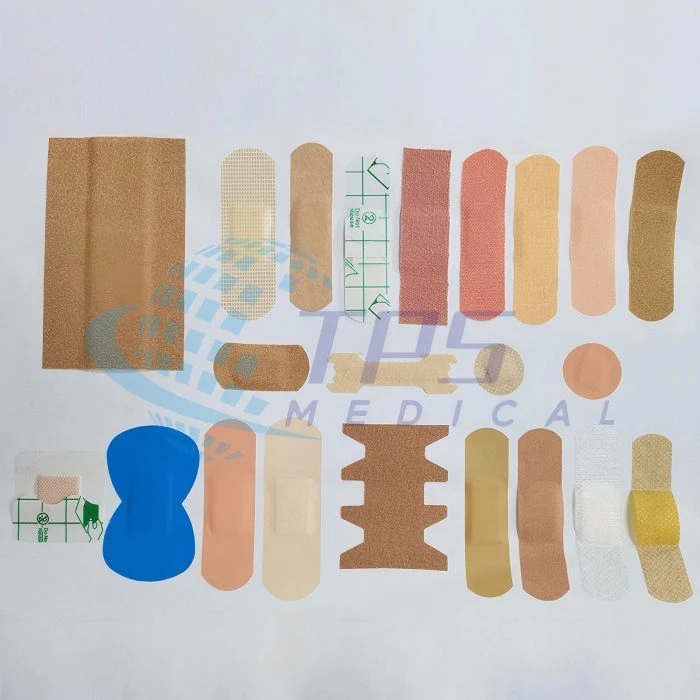
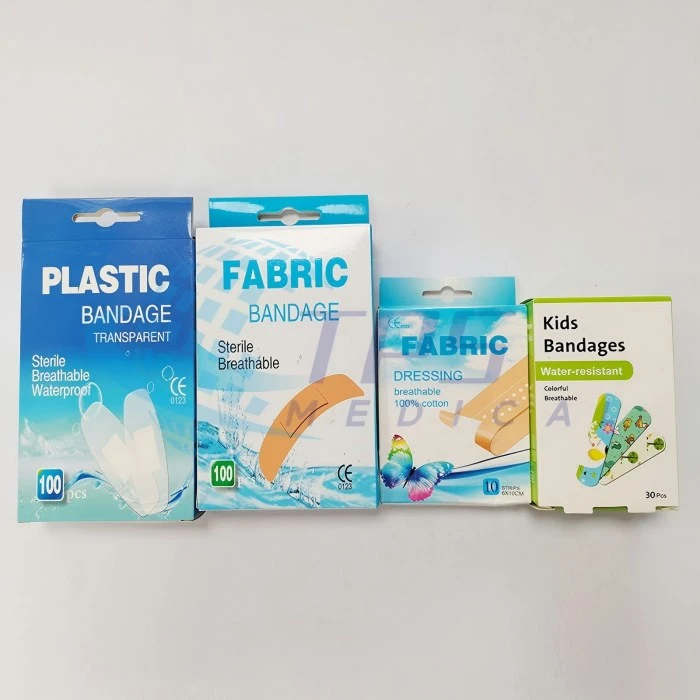
Breathable Plaster for Wounds
This type of tape is designed to allow air to pass through, reducing the risk of moisture buildup. It is often made from materials like porous fabric or paper with a hypoallergenic adhesive. The breathability helps maintain a dry and healthy environment for the skin, minimizing the chances of irritation. However, it is still important to ensure that the adhesive is suitable for the patient's skin type.
Silk Adhesive Tape
Silk adhesive tape is known for its softness and flexibility. It generally has a lower risk of causing irritation compared to some other tapes. The smooth texture of silk is less likely to abrade the skin, and many silk adhesive tapes use gentle adhesives. Nevertheless, individual sensitivities can still exist.
Non Woven Fabric Tape
Non - woven fabric tapes are popular due to their strength and durability. They are typically made from synthetic fibers. Some non - woven fabric tapes may have adhesives that can cause irritation, especially if they are left on the skin for an extended period. However, modern non - woven fabric tapes are often designed with skin - friendly adhesives.
Zinc Oxide Medical Tape
Zinc oxide is known for its skin - protecting properties. Zinc oxide medical tape is often used for securing dressings and providing support. It has a relatively low risk of skin irritation as the zinc oxide can help soothe the skin. However, as with any tape, improper application or removal can still cause problems.
Transparent PE Tape
Transparent PE (polyethylene) tape is commonly used for its visibility and flexibility. However, being a plastic - based tape, it may not be as breathable as some fabric - based tapes. This can increase the risk of moisture - related skin irritation, especially if used for long - term applications.
Factors Affecting Skin Sensitivity
In addition to the tape's properties, individual factors can also influence the likelihood of skin irritation.
Age
Infants and the elderly have more delicate skin compared to adults. Infants' skin is still developing its protective barrier, making it more susceptible to irritation. The elderly, on the other hand, may have thinner and less elastic skin, which can be more easily damaged by the tape's adhesive.
Skin Condition
People with pre - existing skin conditions such as eczema, psoriasis, or allergies are at a higher risk of developing skin irritation from medical tape. Their skin is already in a sensitive state, and the tape can exacerbate the problem.
Duration of Tape Application
The longer the medical tape is left on the skin, the higher the risk of irritation. Prolonged contact allows the adhesive to penetrate the skin more deeply and can lead to increased moisture buildup.
Preventing Skin Irritation from Medical Tape
As a medical tape supplier, I am committed to providing products that are safe and effective. Here are some tips to prevent skin irritation when using medical tape:
Choose the Right Tape
Select a tape that is appropriate for the intended use and the patient's skin type. For example, if the patient has sensitive skin, opt for a tape with a hypoallergenic adhesive or a breathable material.
Prepare the Skin
Before applying the tape, clean the skin gently with mild soap and water and pat it dry. Avoid using harsh chemicals or alcohol, as these can damage the skin's protective barrier.
Apply the Tape Correctly
Stretch the tape slightly as you apply it to ensure a secure fit without pulling too tightly on the skin. Avoid applying the tape over areas with broken skin, rashes, or other skin problems.
Change the Tape Regularly
To prevent moisture buildup and reduce the risk of irritation, change the tape at regular intervals as recommended by healthcare professionals.
Remove the Tape Properly
When removing the tape, do it slowly and gently in the direction of hair growth. You can also use a tape removal product to help dissolve the adhesive and minimize skin damage.
Conclusion
In summary, while medical tape can cause skin irritation, the risk can be minimized through careful selection, proper application, and appropriate removal. As a medical tape supplier, I offer a range of high - quality tapes that are designed to meet different needs while prioritizing skin safety.
If you are a healthcare provider, medical facility, or distributor looking for reliable medical tape products, I invite you to contact me for more information and to discuss your procurement needs. We can work together to find the best medical tape solutions for your specific requirements.
References
- "Contact Dermatitis" by the American Academy of Dermatology.
- "Skin Barrier Function and Wound Healing" published in the Journal of Wound Care.
- Product specifications and research materials provided by the manufacturers of the various medical tapes.