

Ensuring the proper adhesion of medical tape on oily skin is a common challenge in the medical field. As a medical tape supplier, I understand the importance of this issue and have gathered some effective strategies to address it. In this blog, I will share these insights to help medical professionals and patients achieve better results when using medical tape on oily skin.
Understanding the Problem
Oily skin produces a natural layer of sebum, which can act as a barrier between the skin and the medical tape. This sebum can prevent the tape from adhering properly, leading to issues such as tape lifting, peeling, or falling off. Additionally, the presence of oil can also affect the tape's adhesive properties over time, reducing its effectiveness.
Preparing the Skin
One of the most important steps in ensuring proper adhesion of medical tape on oily skin is to prepare the skin properly. This involves cleaning the skin to remove any dirt, oil, or debris that may interfere with the tape's adhesion. Here are some recommended methods for skin preparation:
- Cleansing with Mild Soap and Water: Use a mild, non - abrasive soap and warm water to gently clean the area where the tape will be applied. Avoid using harsh soaps or scrubbing too vigorously, as this can damage the skin and cause irritation. After cleansing, pat the skin dry with a clean towel.
- Using Alcohol Wipes: Alcohol wipes can be an effective way to remove oil from the skin. However, it's important to use them carefully, as alcohol can be drying and may cause skin irritation, especially for sensitive skin. Apply the alcohol wipe to the skin and let it dry completely before applying the tape.
Choosing the Right Medical Tape
Not all medical tapes are created equal, especially when it comes to adhesion on oily skin. As a medical tape supplier, we offer a variety of tapes that are designed to provide better adhesion on different skin types, including oily skin. Here are some of our recommended products:
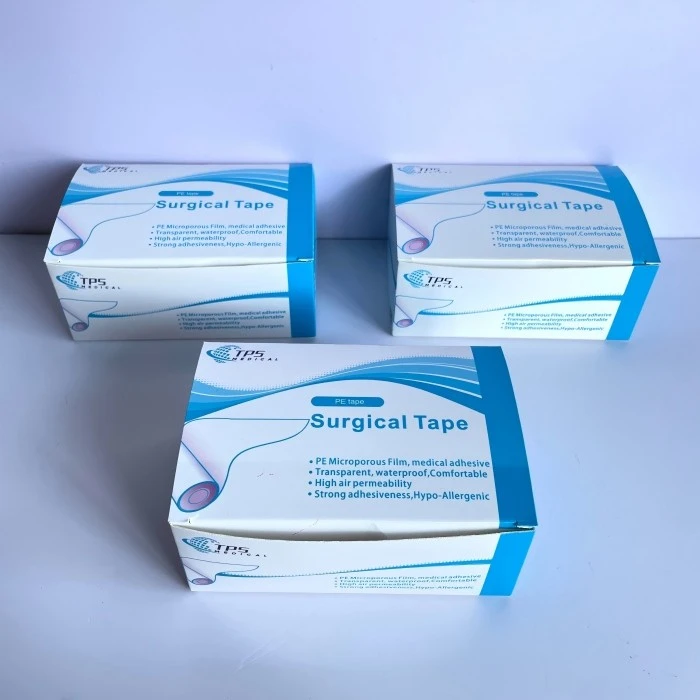
- Transparent PE Tape: This tape is made of polyethylene, which is a durable and flexible material. It has a strong adhesive that can adhere well to oily skin. The transparent design allows for easy monitoring of the skin underneath.
- Silk Adhesive Tape: Silk adhesive tape is known for its softness and breathability. It has a good adhesion on oily skin and is less likely to cause skin irritation. The silk material also provides a comfortable feel for the patient.
- Zinc Oxide Medical Tape: Zinc oxide tape is often used for its strong adhesion and skin - protecting properties. It can adhere well to oily skin and is suitable for long - term use. The zinc oxide in the tape can also help to soothe and protect the skin.
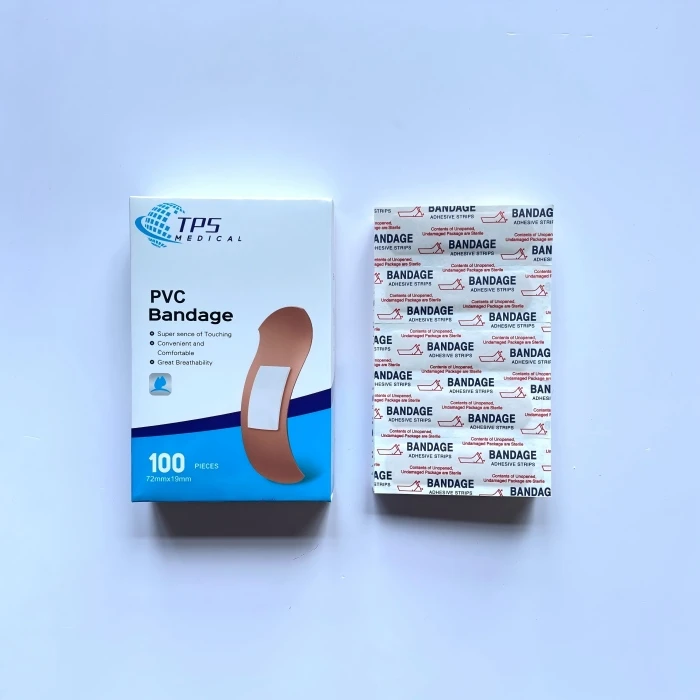
- Breathable Plaster for Wounds: This plaster is designed to be breathable, which is important for preventing skin irritation, especially on oily skin. It has a strong adhesive that can hold well on the skin and is suitable for covering small wounds.
- Non Woven Fabric Tape: Non - woven fabric tape is a versatile option that offers good adhesion on oily skin. It is soft, flexible, and breathable, making it comfortable for the patient to wear.
Applying the Medical Tape
Once the skin is prepared and the right tape is chosen, the next step is to apply the tape correctly. Here are some tips for applying medical tape on oily skin:
- Apply the Tape Smoothly: Start by aligning the tape with the area where it needs to be applied. Then, slowly and smoothly press the tape onto the skin, starting from one end and working your way to the other. Make sure to smooth out any wrinkles or air bubbles as you go.
- Use Gentle Pressure: Apply gentle pressure to the tape to ensure good adhesion. You can use your fingers or a soft tool to press the tape firmly onto the skin. Avoid applying too much pressure, as this can cause skin damage.
- Overlap the Tape: If you need to use multiple pieces of tape, overlap them slightly to ensure continuous adhesion. This can help to prevent the tape from lifting at the edges.
Maintaining the Adhesion
After applying the medical tape, it's important to take steps to maintain its adhesion. Here are some ways to do this:
- Keep the Skin Dry: Moisture can reduce the tape's adhesion. Make sure to keep the area where the tape is applied dry. If the skin gets wet, gently pat it dry and re - apply pressure to the tape.
- Avoid Excessive Movement: Excessive movement of the body part where the tape is applied can cause the tape to loosen. Encourage the patient to limit unnecessary movement, especially during the first few hours after tape application.
- Monitor the Tape Regularly: Check the tape regularly to see if it is still adhering properly. If you notice any signs of lifting or peeling, re - apply the tape or take appropriate action.
Additional Tips
- Use a Skin Primer: Skin primers can help to improve the adhesion of medical tape on oily skin. These primers create a smooth, dry surface on the skin, which allows the tape to adhere better.
- Consider the Environment: High humidity or extreme temperatures can affect the tape's adhesion. In hot and humid environments, the tape may be more likely to loosen. Take this into account when using medical tape on oily skin.
Conclusion
Ensuring the proper adhesion of medical tape on oily skin requires a combination of proper skin preparation, choosing the right tape, applying it correctly, and maintaining its adhesion. As a medical tape supplier, we are committed to providing high - quality products that can meet the needs of medical professionals and patients. If you are interested in our medical tapes or have any questions about ensuring adhesion on oily skin, please feel free to contact us for more information and to discuss your procurement needs.
References
- "Skin Preparation for Adhesive Application" by the American Academy of Dermatology.
- "Medical Tape Adhesion on Different Skin Types" in the Journal of Medical Supplies and Equipment.
- Product manuals and technical data sheets of our medical tapes.