

As a supplier of Cotton Athletic Tape, I've had the privilege of delving deep into the world of sports injury protection and understanding the nuances of product packaging. In this blog, I'll share insights into what the packaging of cotton athletic tape usually looks like, its importance, and how it can impact the overall user experience.
The Basics of Cotton Athletic Tape Packaging
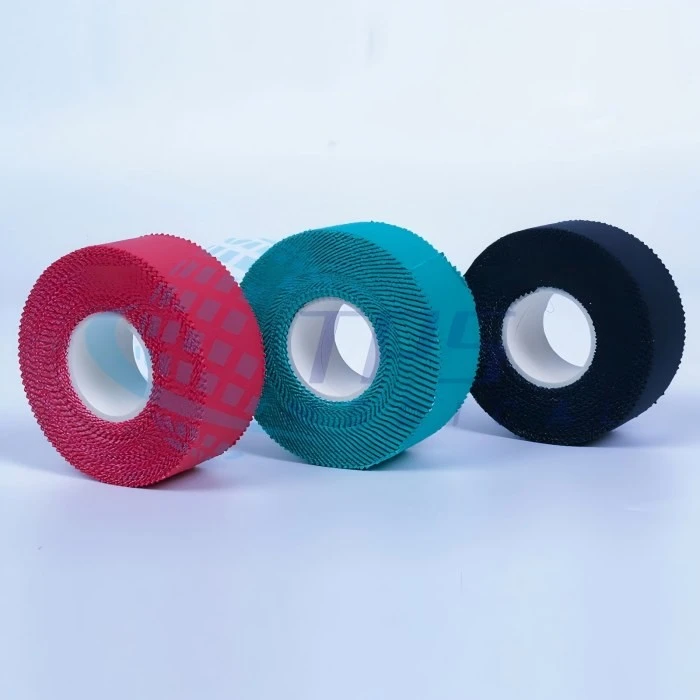
Cotton athletic tape is a staple in the sports world, used by athletes of all levels to support joints, prevent injuries, and provide stability during physical activities. The packaging of this tape plays a crucial role in protecting the product, ensuring its quality, and making it convenient for users.
1. Material and Design
The most common material used for cotton athletic tape packaging is cardboard. Cardboard is lightweight, cost - effective, and can be easily printed on. It provides a sturdy outer layer that protects the tape from damage during transportation and storage.
The design of the packaging is often simple yet functional. It typically features the brand logo prominently on the front, along with the product name, "Cotton Athletic Tape". The logo helps in brand recognition, and the clear product name makes it easy for consumers to identify what they are buying.
In addition to the logo and product name, the packaging may also include information about the tape's features, such as its width, length, and adhesive strength. This information is essential for consumers to make an informed decision about which tape is right for their needs.
2. Size and Shape
The size and shape of the packaging are designed to fit the tape roll. Most cotton athletic tape comes in a standard roll shape, and the packaging is usually rectangular or square to accommodate it. The dimensions of the packaging are carefully calculated to ensure a snug fit, preventing the tape from moving around inside and getting damaged.
Some packaging may also be designed to be stackable, which is beneficial for both retailers and consumers. Stackable packaging allows for easy storage and display in stores, and it also makes it more convenient for consumers to keep multiple rolls of tape organized at home.
3. Sealing and Opening
The packaging of cotton athletic tape is typically sealed to protect the tape from dust, moisture, and other contaminants. Common sealing methods include glue, adhesive strips, or shrink - wrapping. A good seal ensures that the tape remains in good condition until it is ready to be used.
On the other hand, the packaging should also be easy to open. Most packages have a perforated edge or a tear - off strip that allows users to access the tape quickly and easily. This is especially important for athletes who may need to use the tape in a hurry, such as during a game or practice.
The Importance of Good Packaging
1. Product Protection
One of the primary functions of packaging is to protect the product. Cotton athletic tape is sensitive to environmental factors such as moisture and dust. If the tape is exposed to these elements, it can lose its adhesive properties and become less effective. A well - designed package provides a barrier against these factors, ensuring that the tape remains in optimal condition.
2. Branding and Marketing
Packaging is an important marketing tool. It is often the first thing that consumers see when they are considering a product. A visually appealing and well - designed package can attract consumers' attention and make the product stand out on the shelves. The brand logo, colors, and graphics on the packaging can help create a strong brand identity and build brand loyalty.
3. User Convenience
Good packaging also enhances the user experience. As mentioned earlier, easy - to - open packaging is crucial for athletes. Additionally, packaging that provides clear information about the tape's features and usage instructions makes it easier for consumers to use the product correctly. Some packages may also include a dispenser or a cutting tool, which further adds to the convenience.
Comparing with Other Types of Sports Tape Packaging
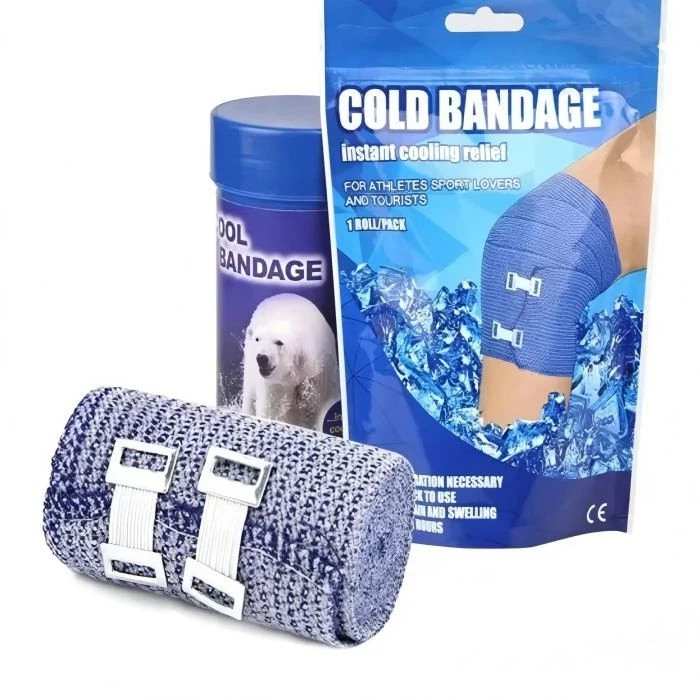
Let's take a look at how the packaging of cotton athletic tape compares with that of other types of sports tape, such as Cold Bandage Wrap.
Cold bandage wrap is often used for its cooling properties, which can help reduce pain and inflammation. The packaging of cold bandage wrap may be more specialized to preserve its cooling effect. It might be made of a material that provides better insulation to keep the wrap cold for longer periods.
In contrast, cotton athletic tape is more focused on providing support and stability. Its packaging is designed to protect the tape's adhesive and ensure its durability. While both types of tape serve different purposes, the packaging of each is tailored to meet the specific needs of the product.
Our Approach as a Cotton Athletic Tape Supplier
As a supplier of Cotton Athletic Tape, we take great care in designing our packaging. We understand that the packaging is not just a container for the tape but also a reflection of our brand.
We use high - quality cardboard that is both eco - friendly and durable. Our packaging design is clean and modern, with a focus on providing clear information to the consumers. We also ensure that the packaging is easy to open and reseal, so that the tape remains protected even after the initial use.
In addition to the standard packaging, we also offer custom packaging options for our clients. This allows them to add their own branding, logos, and messages to the packaging, which can be a great way to promote their brand and stand out in the market.
Conclusion
The packaging of cotton athletic tape is an important aspect of the product. It not only protects the tape but also plays a significant role in branding, marketing, and user convenience. As a supplier, we are committed to providing high - quality packaging that meets the needs of our customers.
If you are interested in purchasing our Cotton Athletic Tape, we invite you to contact us for a procurement discussion. We are more than happy to answer any questions you may have and provide you with detailed information about our products and services.
References
- Packaging Design for Consumer Products: Best Practices and Case Studies.
- Sports Tape: A Guide to Types and Uses.
- The Impact of Packaging on Product Perception and Purchase Decisions.