
Can an Adhesive Skin Traction Kit be used on a pulled back muscle?
As a reliable supplier of medical disposables, including the Adhesive Skin Traction Kit, I often encounter various inquiries from medical professionals and patients alike. One common question that has surfaced recently is whether an Adhesive Skin Traction Kit can be used to treat a pulled back muscle. In this blog post, I aim to delve into this topic from a scientific perspective, exploring the functionality of the Adhesive Skin Traction Kit and its potential applicability in the context of a pulled back muscle.
Understanding the Adhesive Skin Traction Kit
The Adhesive Skin Traction Kit is a medical device designed to apply a gentle, continuous pulling force to a limb or body part. It typically consists of adhesive strips that are attached to the skin, which are then connected to a traction system, such as weights or pulleys. This traction force helps to align bones, reduce muscle spasms, and relieve pressure on joints and soft tissues. The kit is commonly used in the treatment of fractures, dislocations, and various musculoskeletal conditions where immobilization and traction are necessary.
The mechanism of action behind the Adhesive Skin Traction Kit lies in its ability to stretch the surrounding muscles and ligaments. By applying a controlled and consistent pulling force, the kit can help to realign displaced bones and reduce the tension within the muscles. This can be particularly beneficial in the early stages of injury, as it can prevent further damage and promote proper healing.

Understanding a Pulled Back Muscle
A pulled back muscle, also known as a back strain, occurs when the muscle fibers in the back are overstretched or torn. This can happen due to sudden movements, heavy lifting, poor posture, or repetitive motions. Symptoms of a pulled back muscle may include pain, stiffness, swelling, and limited range of motion. In most cases, a pulled back muscle can be treated with rest, ice, compression, and elevation (RICE), along with over-the-counter pain medications.
The severity of a pulled back muscle can vary widely, from mild strains that resolve within a few days to more severe injuries that may require medical intervention. In severe cases, a pulled back muscle can lead to muscle spasms, which can exacerbate the pain and limit mobility.
Can an Adhesive Skin Traction Kit be Used on a Pulled Back Muscle?
The use of an Adhesive Skin Traction Kit on a pulled back muscle is a complex issue that requires careful consideration. While the kit is designed to apply traction to limbs, its use on the back may not be straightforward.
One of the primary concerns is the anatomical structure of the back. Unlike limbs, the back has a complex arrangement of muscles, bones, and nerves. Applying traction to the back could potentially cause additional stress on these structures, leading to further injury. Moreover, the adhesive strips of the traction kit may not adhere well to the curved and uneven surfaces of the back, which could compromise the effectiveness of the traction.
However, in certain situations, an Adhesive Skin Traction Kit may offer some benefits. For example, if the pulled back muscle is associated with muscle spasms, the gentle pulling force of the traction kit could potentially help to relax the muscles and reduce the spasms. Additionally, the traction could provide some support to the injured area, which may help to alleviate pain and promote healing.
It's important to note that the use of an Adhesive Skin Traction Kit on a pulled back muscle should only be considered under the supervision of a qualified healthcare professional. A doctor or physical therapist can assess the severity of the injury, determine whether traction is appropriate, and provide guidance on the correct application of the kit.
Alternatives to Adhesive Skin Traction for a Pulled Back Muscle
If an Adhesive Skin Traction Kit is not suitable for a pulled back muscle, there are several alternative treatment options available.
- Rest and Physical Therapy: Rest is crucial for allowing the injured muscle to heal. Physical therapy exercises, such as stretching and strengthening exercises, can also help to improve flexibility, reduce pain, and prevent future injuries.
- Medication: Over-the-counter pain medications, such as ibuprofen or acetaminophen, can help to relieve pain and reduce inflammation. In some cases, a doctor may prescribe stronger pain medications or muscle relaxants.
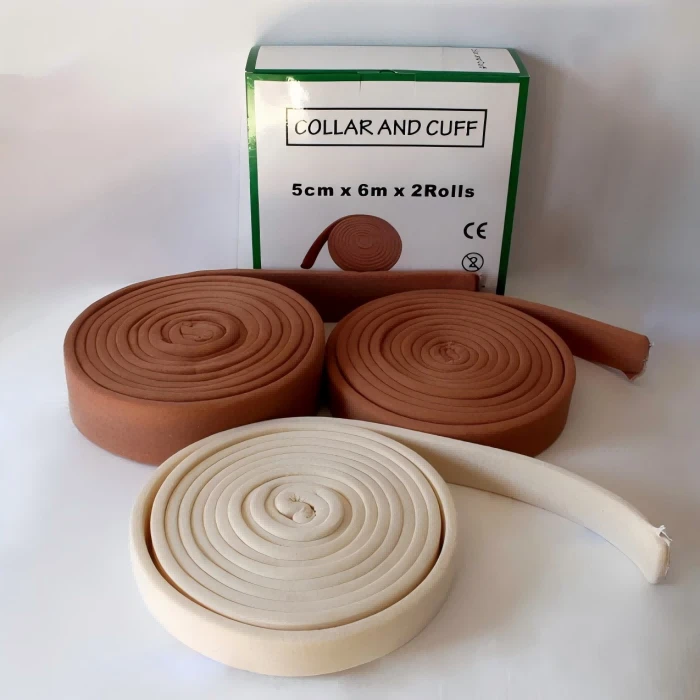
- Supportive Devices: Other supportive medical disposables, such as the Soft Foam Collar or Collar and Cuff Arm Sling, may provide additional support and comfort during the healing process. These devices can help to limit movement and reduce stress on the injured area.
- Non Adhesive Skin Traction: In some cases, a Non Adhesive Skin Traction Kit may be a more suitable option. This type of traction kit uses a non-adhesive method to apply traction, which may be more comfortable and less likely to cause skin irritation.
Conclusion and Call to Action
In conclusion, the use of an Adhesive Skin Traction Kit on a pulled back muscle is not a straightforward decision and should be made in consultation with a healthcare professional. While the kit may offer some benefits in certain situations, there are also potential risks and limitations that need to be considered.
As a supplier of high-quality medical disposables, including the Adhesive Skin Traction Kit, we are committed to providing our customers with the information and products they need to make informed decisions about their healthcare. If you are a medical professional or a distributor interested in learning more about our products or discussing potential procurement opportunities, we encourage you to reach out to us. Our team of experts is ready to assist you with any questions you may have and provide you with a customized solution that meets your specific needs.
Let's work together to ensure the best possible outcomes for patients and healthcare providers.
References
- American Academy of Orthopaedic Surgeons. (202X). Back Strain. Available at [URL]
- Journal of Musculoskeletal Medicine. (202X). The Role of Traction in Musculoskeletal Rehabilitation. Vol. XX, Issue XX, pp. XX-XX.
- Mayo Clinic. (202X). Muscle Strain. Available at [URL]