

Hey there! I'm a supplier of adhesive dressings, and today I want to chat about how temperature can affect these little medical marvels. Adhesive dressings are super common in the medical field; think of the band - aids you quickly stick on a minor cut or the more advanced dressings used in hospitals. But the temperature can really mess with their performance, and as a supplier, it's crucial that I understand and share this info with you all.
Let's start with adhesion. The stickiness of an adhesive dressing is like its superpower. It's what allows it to stay in place on your skin, protecting the wound and doing its job. At normal room temperature (around 20 - 25°C), most adhesive dressings work just fine. The adhesive is soft enough to stick well to the skin but not so soft that it drips or loses its shape.
However, when the temperature gets low, things change. Cold temperatures make the adhesive more rigid. It's like how butter gets hard when you put it in the fridge. The molecules in the adhesive slow down and become less flexible. As a result, the dressing might not stick as well to the skin. For folks in colder climates, say in the winter months, they might find that their adhesive dressings start to peel off faster. Even when you think you've pressed it down properly, it just doesn't seem to hold.
On the flip - side, high temperatures are another challenge. When it's hot, like on a sweltering summer day or in a tropical environment, the adhesive can become too soft. It can turn into a gooey mess. The extra heat speeds up the movement of the adhesive molecules, causing them to lose their structure. Not only does this make the dressing look unappealing, with its edges getting all gummy, but it can also lead to skin irritation. The gooey adhesive can spread to the surrounding skin, and the dressing might no longer provide a proper seal over the wound.
Now, the effects of temperature aren't just about adhesion. They also impact the dressing's integrity. Many adhesive dressings, like the IV Wound Dressing, are designed to be breathable. This allows air to reach the wound, which is important for the healing process. But temperature can affect this breathability.
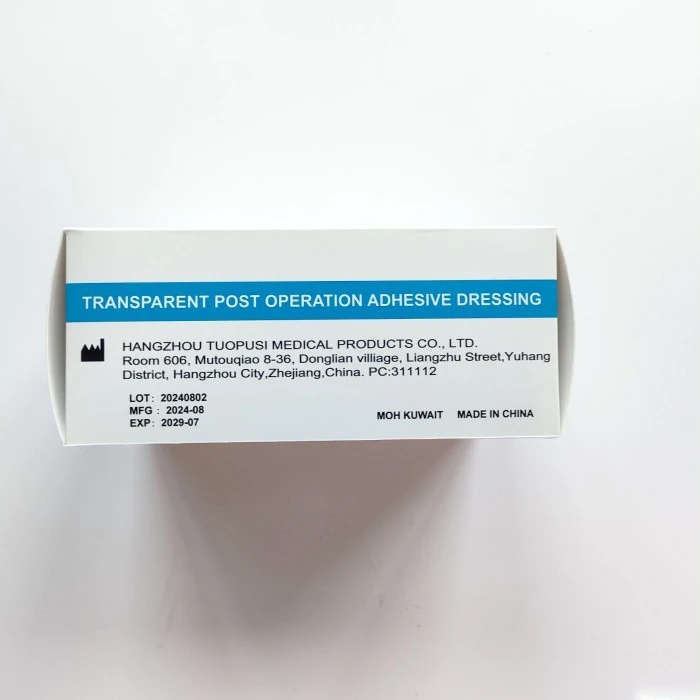
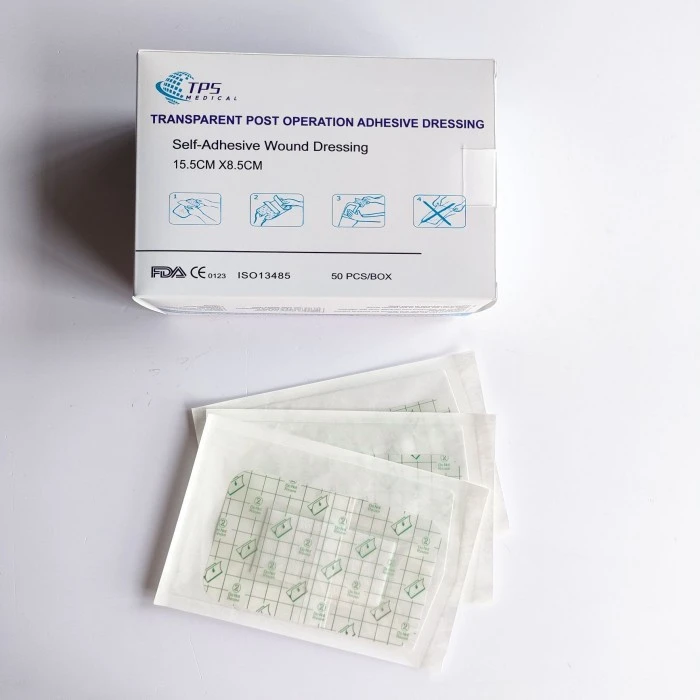
In cold temperatures, the materials of the dressing can contract. The small pores that allow air to pass through might shrink, reducing the dressing's ability to let air in and moisture out. This can create a moist environment under the dressing, which is a breeding ground for bacteria. Wounds need a bit of air to prevent infections, and when the dressing can't breathe properly because of the cold, it puts the patient at a higher risk.
When it's hot, the materials can expand. The pores might become too large, and the dressing might not be able to keep contaminants out as effectively as it should. Sweat and other bodily fluids can also make the dressing more likely to come off. A patient sweating a lot in a hot environment can find that their Adhesive Non Woven Wound Dressing starts to loosen, increasing the risk of the wound getting infected.
PU (Polyurethane) dressings, such as the PU Wound Dressing, are also sensitive to temperature. PU is known for its elasticity and good adhesion properties. But in cold conditions, it can lose its stretchiness. It becomes more brittle and can crack easily. This is a huge problem because a cracked dressing can't protect the wound effectively.
In high temperatures, PU can absorb more moisture. It can become heavy and less effective at providing a stable environment for wound healing. The adhesive on PU dressings might also be affected, leading to the same issues of poor adhesion and potential skin irritation.
As a supplier, we've done a lot of research on how to make our dressings more temperature - resistant. We've experimented with different adhesive formulations. For example, we've added certain polymers that can keep the adhesive flexible in cold temperatures and prevent it from becoming too soft in the heat. We've also worked on improving the materials used in the dressings to make them more stable in different temperature conditions.
But it's not just up to us. Healthcare providers and patients also need to be aware of these temperature effects. When storing adhesive dressings, it's important to keep them in a cool, dry place. Avoid leaving them in a hot car or in a freezer. And when using the dressings in extreme temperatures, extra care should be taken. For instance, in cold weather, warming the dressing slightly before applying it can improve adhesion. In hot weather, changing the dressing more frequently might be necessary to prevent infections.
If you're in the market for high - quality adhesive dressings, whether it's for a medical facility or personal use, we've got you covered. Our team has poured a lot of effort into creating dressings that can stand up to different temperature conditions. We understand the importance of reliable wound care, especially when it comes to dealing with the variables that temperature brings.
Are you interested in learning more about our adhesive dressings or getting a quote? We're here to have that conversation. Contact us to start a procurement discussion, and let's find the best adhesive dressings for your needs.
References
- Smith, J. "The Impact of Environmental Conditions on Medical Adhesives." Journal of Medical Materials Science, 2018.
- Brown, A. et al. "Temperature - Dependent Properties of Wound Dressings." International Wound Journal, 2020.