

In the medical field, the proper disinfection of medical bandages is of paramount importance. As a medical bandages supplier, I understand the significance of ensuring that the bandages we provide meet the highest standards of disinfection. This not only guarantees the safety of patients but also reflects the quality and reliability of our products. In this blog, I will share some key aspects and methods to ensure that medical bandages are properly disinfected.
Understanding the Importance of Disinfection
Disinfection is the process of eliminating or reducing harmful microorganisms on the surface of medical bandages. Medical bandages are often used to cover wounds, which makes them a potential breeding ground for bacteria, viruses, and fungi. If these bandages are not properly disinfected, they can introduce infections into the wound, leading to complications and delaying the healing process. Moreover, in a healthcare setting, the spread of infections can pose a serious threat to the health of other patients and medical staff. Therefore, proper disinfection is a crucial step in ensuring the safety and effectiveness of medical bandages.
Selecting the Right Disinfection Method
There are several disinfection methods available, and the choice depends on various factors such as the type of bandage material, the intended use of the bandage, and the level of microbial contamination. Let's take a look at some common disinfection methods:
Chemical Disinfection
Chemical disinfectants are widely used to disinfect medical bandages. Some common chemical disinfectants include alcohol, hydrogen peroxide, and chlorine - based compounds. Alcohol, such as isopropyl alcohol, is effective in killing a wide range of bacteria and viruses. It acts by denaturing the proteins of microorganisms, thereby destroying their cell membranes. Hydrogen peroxide is another powerful disinfectant that releases oxygen when it comes into contact with organic matter, which can oxidize and kill microorganisms. Chlorine - based compounds, like sodium hypochlorite, are also effective in disinfection, especially for killing bacteria and fungi.
When using chemical disinfectants, it is important to follow the manufacturer's instructions. The concentration of the disinfectant, the contact time, and the temperature can all affect the disinfection effect. For example, a higher concentration of alcohol may disinfect more quickly, but it can also damage some bandage materials. Therefore, it is necessary to test the compatibility of the disinfectant with the bandage material before large - scale disinfection.
Heat Disinfection
Heat disinfection is another effective method. There are two main types of heat disinfection: dry heat and moist heat. Dry heat disinfection involves heating the bandages in an oven at a high temperature for a certain period of time. This method is suitable for bandages that can withstand high temperatures without being damaged. Moist heat disinfection, such as autoclaving, is more commonly used in medical settings. Autoclaving uses steam under pressure to achieve high temperatures (usually around 121 - 134 °C) for a specific time (usually 15 - 30 minutes). This method can effectively kill all forms of microorganisms, including spores.
Radiation Disinfection
Ionizing radiation, such as gamma radiation, is also used for disinfecting medical bandages. Gamma radiation can penetrate the bandage material and damage the DNA of microorganisms, thereby killing them. This method is suitable for bandages that are pre - packaged and need to be sterilized without opening the package. It can ensure the long - term sterility of the bandages. However, radiation disinfection equipment is relatively expensive, and there are also certain safety requirements during the operation.
Quality Control in the Disinfection Process
As a medical bandages supplier, we implement strict quality control measures in the disinfection process.
Testing Microbial Load
Before and after disinfection, we regularly test the microbial load of the bandages. This can be done through microbial culture methods. A small sample of the bandage is taken and placed in a suitable culture medium. After a certain period of incubation, the number and type of microorganisms are counted and identified. If the microbial load after disinfection does not meet the specified standards, we will re - evaluate the disinfection process and make adjustments.
Monitoring Disinfection Conditions
During the disinfection process, we closely monitor the key parameters such as temperature, concentration of disinfectants, and contact time. For example, in autoclaving, we use temperature and pressure sensors to ensure that the correct temperature and pressure are maintained throughout the process. In chemical disinfection, we regularly measure the concentration of the disinfectant to ensure its effectiveness.
Types of Medical Bandages and Their Disinfection Considerations
Different types of medical bandages have different characteristics, and their disinfection methods may also vary.
High Elastic Bandage
The High Elastic Bandage is known for its high elasticity, which allows it to provide compression support to the injured area. When disinfecting high elastic bandages, we need to consider that the elastic properties may be affected by some disinfection methods. For example, high - temperature heat disinfection may cause the elastic fibers to lose their elasticity. Therefore, chemical disinfection with mild disinfectants or low - temperature disinfection methods are often more suitable.
Crepe Bandage Elastic
The Crepe Bandage Elastic is made of a lightweight and breathable fabric. It is often used for wrapping joints and providing support. This type of bandage is relatively delicate, so we need to choose a disinfection method that will not damage the fabric structure. Chemical disinfection with a low - concentration disinfectant or radiation disinfection can be good options.
PBT Conforming Bandage
The PBT Conforming Bandage has good conformability, which can adapt well to the shape of the body part. When disinfecting PBT conforming bandages, we need to ensure that the disinfection process does not affect its conforming properties. Similar to the other types of bandages, we need to select an appropriate disinfection method based on the material characteristics.
Packaging and Storage after Disinfection
After proper disinfection, the bandages need to be properly packaged and stored to maintain their sterility. We use sterilizable packaging materials that can prevent the entry of microorganisms. The packaging is sealed in a clean environment to ensure that the bandages remain sterile until they are used.
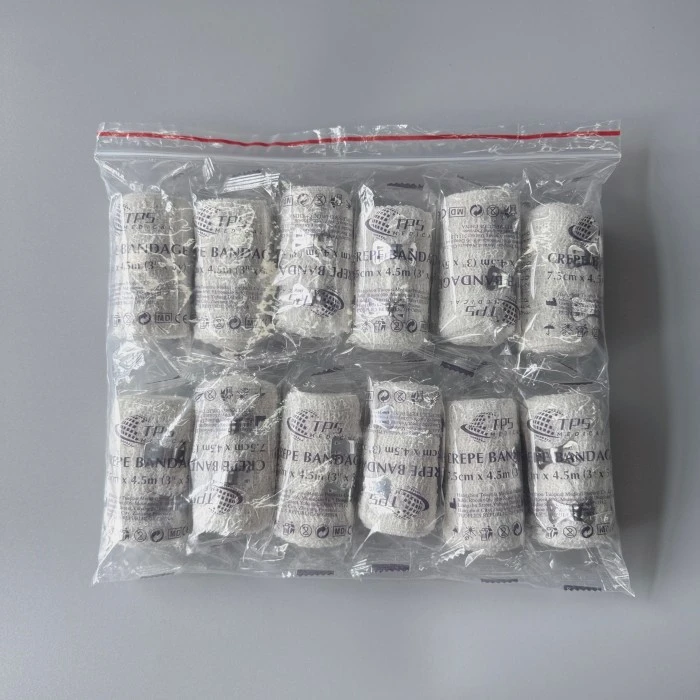
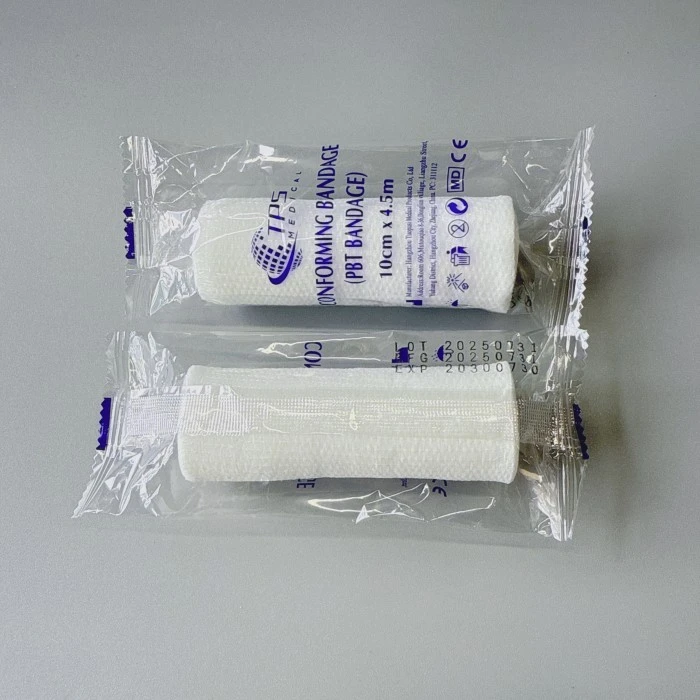
During storage, the bandages should be kept in a dry and cool place. High humidity and high temperature can promote the growth of microorganisms and reduce the effectiveness of the disinfection. We also regularly check the storage conditions to ensure the quality of the bandages.
Encouraging Contact for Procurement
If you are in the market for high - quality, properly disinfected medical bandages, we are here to meet your needs. Our commitment to ensuring the proper disinfection of our medical bandages means that you can trust the safety and effectiveness of our products. Whether you are a hospital, a clinic, or a distributor, we can provide you with the right medical bandages for your specific requirements. Please contact us to discuss your procurement needs and experience the difference of our products.
References
- Block, S. S. (2001). Disinfection, Sterilization, and Preservation. Lippincott Williams & Wilkins.
- Rutala, W. A., & Weber, D. J. (2004). Guideline for Disinfection and Sterilization in Healthcare Facilities. Healthcare Infection Control Practices Advisory Committee.