

Hey there! As a supplier of Emergency Trauma Bandages, I get asked a lot about how to choose the right length for a wound. It's a super important question because getting the length right can make a huge difference in how well the bandage does its job. So, let's dive into it!
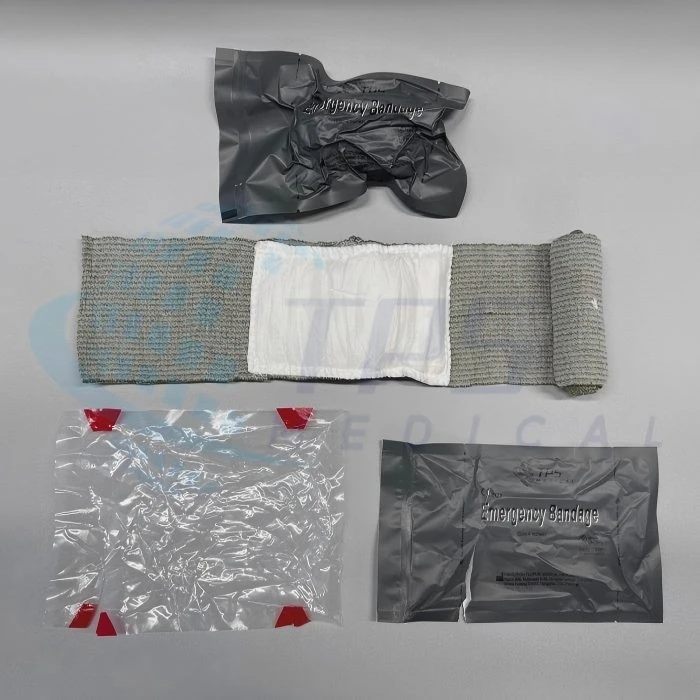
First off, you gotta understand the type of wound you're dealing with. Wounds can vary big time, from small cuts and scrapes to deep, gaping gashes. For those little nicks and cuts, you don't need a long bandage. A shorter one will do just fine. It'll cover the wound and keep it clean, preventing any dirt or bacteria from getting in. But if it's a larger wound, like a deep laceration or a wide abrasion, you'll need a longer bandage. This is because you want to make sure you can wrap it around the wound properly and secure it well.
Another thing to think about is where the wound is located. Some parts of the body are easier to bandage than others. For example, if the wound is on a flat surface like the forearm or the thigh, you have more flexibility with the bandage length. You can choose a bandage based mainly on the size of the wound. But if the wound is on a joint, like the knee or the elbow, you'll need a bandage that can stretch and move with the joint. In this case, a longer bandage can be better because it allows for more wrapping and can better conform to the shape of the joint as it bends.
Let's talk about the purpose of the bandage. Usually, the main goals are to stop bleeding, protect the wound, and provide some support. If you're dealing with a bleeding wound, you want a bandage that can apply enough pressure to stop the blood flow. A longer bandage can be wrapped more tightly around the wound, creating more pressure. This is especially important for arterial bleeding, which is more serious and requires a lot of pressure to control. On the other hand, if the wound is not bleeding heavily and you just need to protect it from further damage, a shorter bandage might be sufficient.
Now, I want to mention some of the other products we offer that can be used in conjunction with our Emergency Trauma Bandages. We have Compressed Krinkle Gauze. This stuff is great because it's highly absorbent and can be used to pack deep wounds to help stop bleeding. It comes in a compact form, so it's easy to carry around in a first aid kit.
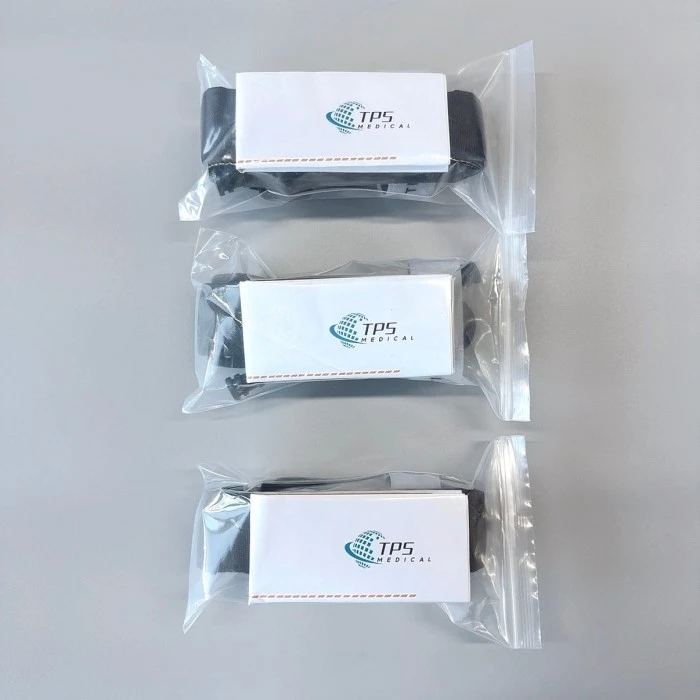
We also have Tactical Combat Tourniquet. This is a must-have for serious bleeding situations. It can quickly and effectively cut off blood flow to a limb to prevent excessive blood loss. It's designed to be easy to use, even in high-stress situations.
Our Emergency Compression Bandage is another great option. It's similar to our Trauma Bandage but is specifically designed for applying pressure to a wound. It has a built-in pad that can be placed directly over the wound to help stop bleeding and promote healing.
And don't forget about our Mylar Foil Blanket. This might not seem directly related to wound care, but it's actually very important. When someone is injured, they can go into shock, and their body temperature can drop rapidly. The Mylar Foil Blanket helps to retain body heat and prevent hypothermia.
So, when you're choosing the right length of Emergency Trauma Bandage for a wound, here are some general guidelines:
- For small wounds (less than 2 inches in length), a bandage that's about 3 - 6 inches long should be sufficient.
- For medium-sized wounds (2 - 6 inches in length), a bandage that's 6 - 12 inches long is a good choice.
- For large wounds (more than 6 inches in length), you'll probably need a bandage that's 12 inches or longer.
But remember, these are just guidelines. You might need to adjust the length based on the specific circumstances of the wound and the location on the body.
In addition to the length, you also need to consider the width of the bandage. A wider bandage can provide more coverage and better support, but it might not be as flexible as a narrower one. So, you need to find a balance between coverage and flexibility.
If you're still not sure which length and width of bandage to choose, don't worry. Our team is here to help. We have a lot of experience in the field of emergency first aid, and we can give you personalized advice based on your specific needs.
Whether you're a first responder, a military personnel, or just someone who wants to be prepared for emergencies, having the right Emergency Trauma Bandage on hand is crucial. And choosing the right length is a big part of making sure it works effectively.
If you're interested in purchasing our Emergency Trauma Bandages or any of our other products, we'd love to talk to you. We offer high-quality products at competitive prices, and we can work with you to find the right solutions for your needs. Just reach out to us, and we'll start the conversation.
References
- American Red Cross. First Aid and CPR/AED Participant's Manual.
- National Association of Emergency Medical Technicians. Emergency Medical Technician: A Comprehensive Approach.