

As a medical disposables supplier, I often get asked about the materials used to make these essential products. Medical disposables are designed to be used once and then discarded, which helps prevent the spread of infections and diseases. They come in a wide variety, from bandages and syringes to surgical gowns and gloves. In this blog, I’ll break down the common materials used in making medical disposables and how they play a crucial role in their functionality.
Plastic
Plastic is one of the most widely used materials in medical disposables. It’s popular because it’s cheap to produce, lightweight, and can be molded into various shapes and sizes.
Polyvinyl Chloride (PVC) is a common plastic found in many medical products. It’s flexible and transparent, which makes it ideal for items like IV bags and tubing. The flexibility allows for easy handling and storage, while the transparency lets medical staff easily monitor the flow of fluids.
Polyethylene is another type of plastic used. It’s more rigid compared to PVC and is often used in making containers, such as pill bottles and sample collection tubes. Polyethylene has good chemical resistance, which means it can safely hold different types of medications and biological samples without reacting with them.
Polypropylene is yet another versatile plastic. It has high heat resistance, so it’s suitable for products that need to be sterilized, like syringes and plastic trays used in surgical procedures. You can throw it in the autoclave, and it won’t melt or deform under the high - temperature sterilization process.
Rubber
Rubber has been a staple in the medical field for a long time, mainly in the form of natural rubber latex and synthetic rubbers.
Natural rubber latex is known for its elasticity and resilience. It’s commonly used in making gloves, which need to fit snugly on the hands to provide a good barrier against pathogens. The elasticity allows the gloves to stretch when medical professionals put them on and take them off without tearing. However, some people are allergic to natural rubber latex, so alternatives are becoming more popular.
Synthetic rubbers, such as nitrile and neoprene, are great substitutes for latex. Nitrile gloves, for example, are latex - free and offer excellent resistance to punctures and chemicals. They are also more comfortable for people with latex allergies and have become the go - to choice in many medical settings.
Cotton and Gauze
Cotton and gauze are classic materials in medical disposables, especially for wound care.
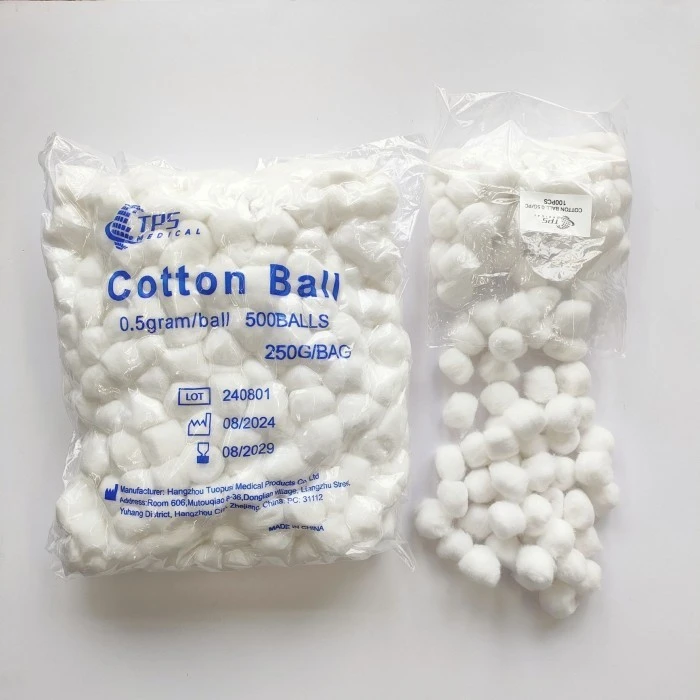
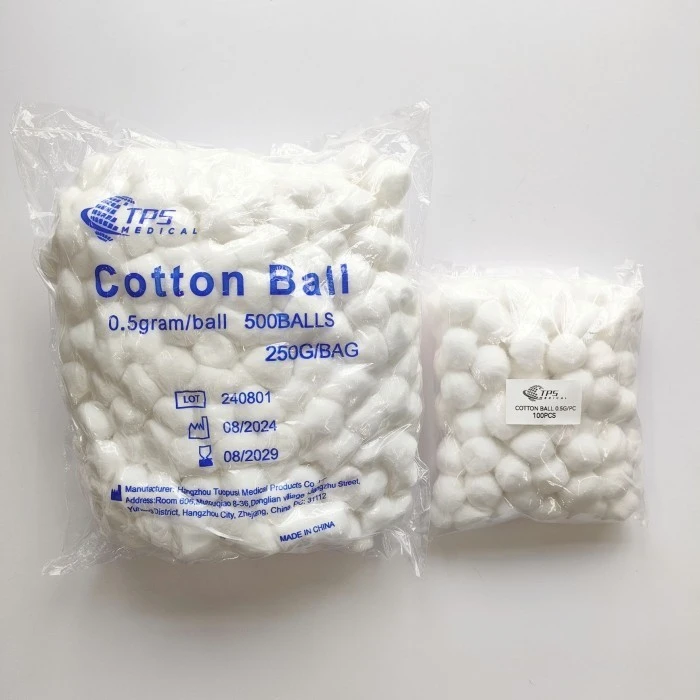
Cotton is soft and absorbent, making it perfect for products like Soft Cotton Ball. These cotton balls are used for cleaning wounds, applying medications, and taking blood samples. The softness ensures that they won’t irritate the skin, and the absorbency helps soak up any fluids from the wound.
Gauze is a loosely woven fabric, usually made from cotton. It comes in different sizes and densities and is used for dressing wounds. The open weave allows air to circulate around the wound, which promotes healing. It can also be used to apply pressure to stop bleeding and as a barrier against dirt and bacteria.
Adhesive Materials
Adhesive materials are crucial for many medical disposables, like bandages and tapes.
Acrylic adhesives are widely used because they have good adhesion properties and are hypoallergenic. They stick well to the skin but can be removed without causing much pain or irritation. These adhesives are found in products such as Silk Adhesive Tape, which is commonly used to secure dressings or hold intravenous catheters in place.
Hot - melt adhesives are another type. They are quick - setting and can be applied at high speeds during the manufacturing process. They are used in a variety of medical products, including some types of wound dressings.
Polyurethane
Polyurethane is a highly versatile material used in different medical applications, especially in wound care.
PU Wound Dressing is a prime example. It has a semi - permeable membrane that allows moisture vapor to escape from the wound while preventing bacteria from entering. This creates an ideal environment for wound healing. Polyurethane is also soft and flexible, which means it can conform to the shape of the body part where it’s applied, providing a snug and comfortable fit.
Traction Kit Materials
Traction kits are used in orthopedics to apply a pulling force to a limb or body part. There are two main types: adhesive and non - adhesive.
Adhesive Skin Traction Kit uses adhesives to attach the traction device to the skin. The adhesive needs to be strong enough to hold the device in place during movement but also gentle enough not to damage the skin upon removal. These kits often use materials similar to those in adhesive tapes, with added padding and straps for comfort and stability.
Non Adhesive Skin Traction Kit employs materials like foam and straps. The foam provides a cushioning effect and helps distribute the pressure evenly across the skin. Straps are used to secure the traction device, and they are usually made of durable materials that can withstand the pulling forces.
Choosing the Right Materials
When making medical disposables, choosing the right materials is extremely important. The materials need to be biocompatible, which means they won’t cause an adverse reaction when in contact with the body. They also need to meet strict quality and safety standards set by regulatory bodies.
For example, when making a syringe, the plastic used must be able to withstand the pressure of injecting fluids and should not release any harmful substances into the medication. The rubber stopper in the syringe needs to have a good seal to prevent leakage.
In the case of wound dressings, the materials need to be breathable, absorbent, and non - irritating. They should also be able to promote wound healing by maintaining the right level of moisture.
Conclusion
As a medical disposables supplier, I understand the importance of using high - quality materials. Each material has its own unique properties that make it suitable for specific medical applications. Whether it’s plastic for syringes, rubber for gloves, or cotton for wound care, the right material choice can make a big difference in the effectiveness and safety of medical products.
If you're in the market for medical disposables, I'd love to have a chat with you. We offer a wide range of products made from top - notch materials that meet all the necessary quality and safety standards. Reach out to me to start the conversation about your procurement needs.
References
- "Medical Plastics: Materials for Medical Applications." Plastics Industry Association.
- "Rubber and Its Use in the Medical Device Industry." Rubber Manufacturers Association.
- "Cotton and Gauze in Wound Care." Journal of Wound Care.