

In the dynamic field of wound care, adhesive dressings have emerged as indispensable tools for promoting healing, preventing infection, and providing comfort to patients. These dressings come in various forms, each tailored to specific wound types and patient needs. At the heart of these adhesive dressings lies a crucial component: the backing layer. This blog post will delve into the multifaceted role of the backing layer in adhesive dressings, exploring its functions, materials, and impact on wound management. As a leading adhesive dressings supplier, we take pride in offering high-quality products that incorporate innovative backing layer technologies, ensuring optimal performance and patient satisfaction.
Protection Against External Contaminants
One of the primary roles of the backing layer in adhesive dressings is to act as a protective barrier against external contaminants. Wounds are vulnerable to a plethora of harmful agents, including bacteria, viruses, dust, and debris, which can impede the healing process and lead to infections. The backing layer serves as a physical shield, preventing these contaminants from reaching the wound site.
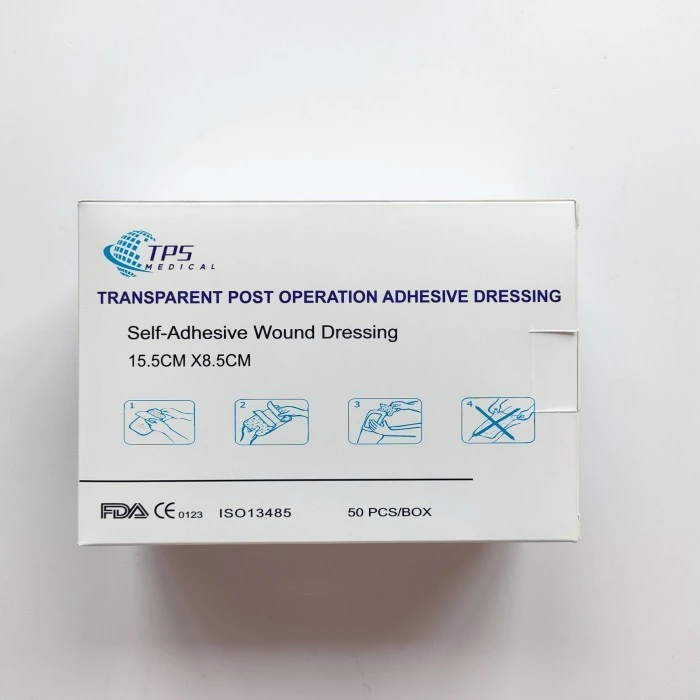
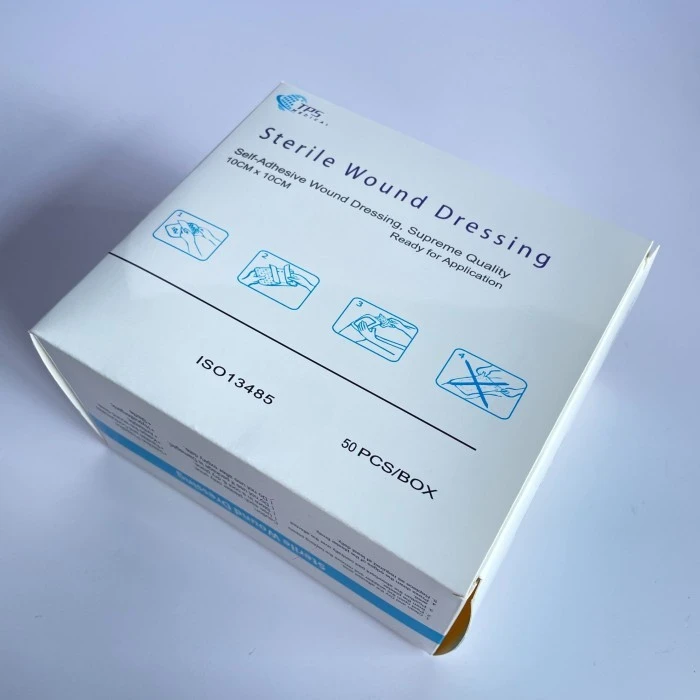
For example, in the case of Adhesive Non Woven Wound Dressing, the backing layer is designed to be impermeable to microorganisms and other external elements. This helps to maintain a clean and sterile environment around the wound, reducing the risk of infection and promoting faster healing. Similarly, IV Wound Dressing features a backing layer that provides a reliable barrier against potential contaminants, ensuring the safety and integrity of intravenous access sites.
Moisture Management
Proper moisture management is essential for optimal wound healing. The backing layer plays a critical role in regulating the moisture balance at the wound site. It allows for the controlled evaporation of excess moisture from the wound while preventing the dressing from drying out too quickly.
A well-designed backing layer can create a moist environment that is conducive to cell migration, proliferation, and angiogenesis – key processes in wound healing. For instance, PU Wound Dressing often uses a polyurethane backing layer. Polyurethane is semi-permeable, which means it allows water vapor to escape from the wound, preventing the buildup of moisture that can lead to maceration. At the same time, it retains enough moisture to keep the wound bed hydrated, facilitating the natural healing process.
Mechanical Support
The backing layer provides mechanical support to the adhesive dressing, helping it to maintain its shape and integrity during application and wear. This is particularly important in areas of the body that are subject to movement and stress, such as joints and extremities.
A sturdy backing layer ensures that the dressing adheres securely to the skin and remains in place, even when the patient is active. This helps to prevent the dressing from shifting or falling off, which could expose the wound to external contaminants and disrupt the healing process. In addition, the mechanical support provided by the backing layer can help to protect the wound from physical trauma, such as friction and pressure.
Comfort and Patient Acceptance
The comfort of the patient is a crucial consideration in the design of adhesive dressings. The backing layer can have a significant impact on the patient's experience, as it comes into direct contact with the skin. A soft, flexible, and breathable backing layer can reduce skin irritation and discomfort, improving patient compliance and acceptance.
For example, some backing layers are made from materials that are hypoallergenic and gentle on the skin, minimizing the risk of allergic reactions. Additionally, a breathable backing layer allows air to circulate around the wound, preventing the buildup of heat and moisture that can cause itching and discomfort. Patients are more likely to adhere to their treatment plan when they are comfortable wearing the dressing, which can ultimately lead to better healing outcomes.
Adhesion Control
The backing layer also plays a role in controlling the adhesion of the dressing to the skin. It provides a surface for the adhesive to bond to, ensuring that the dressing stays in place without causing excessive trauma to the skin upon removal.
The choice of backing layer material and its surface properties can affect the adhesion strength of the dressing. For instance, some backing layers are treated with special coatings to enhance adhesion, while others are designed to have a more gentle adhesive profile, making them easier to remove without causing pain or skin damage. This is especially important for patients with sensitive skin or those who require frequent dressing changes.
Compatibility with Other Components
In addition to its individual functions, the backing layer must be compatible with the other components of the adhesive dressing, such as the adhesive layer and the absorbent pad. Compatibility ensures that the dressing functions as a cohesive unit, providing optimal performance and effectiveness.
The backing layer should not react with the adhesive or the absorbent material, as this could compromise the integrity of the dressing and affect its ability to protect and heal the wound. For example, some backing layers are designed to be chemically inert, preventing any potential chemical interactions with the other components of the dressing.
Materials Used in Backing Layers
A variety of materials are used in the manufacturing of backing layers for adhesive dressings, each with its own unique properties and advantages. Some of the commonly used materials include:
- Polyurethane: As mentioned earlier, polyurethane is a popular choice for backing layers due to its semi-permeability, flexibility, and strength. It provides a good balance of moisture management and mechanical support, making it suitable for a wide range of wound types.
- Polyethylene: Polyethylene is a lightweight, durable, and cost-effective material. It is often used in backing layers for dressings that require a high level of moisture vapor transmission, such as those used for chronic wounds.
- Non-woven fabrics: Non-woven fabrics, such as polyester or polypropylene, are commonly used in backing layers due to their softness, breathability, and comfort. They are also resistant to tearing and provide good mechanical support.
- Silicone: Silicone backing layers are known for their gentle adhesion and low skin irritation potential. They are often used in dressings for sensitive skin or in areas where frequent dressing changes are required.
Conclusion
The backing layer is an integral part of adhesive dressings, playing a vital role in wound protection, moisture management, mechanical support, comfort, and adhesion control. As a leading adhesive dressings supplier, we understand the importance of high-quality backing layers in ensuring the effectiveness and safety of our products. Our range of Adhesive Non Woven Wound Dressing, IV Wound Dressing, and PU Wound Dressing incorporates advanced backing layer technologies to meet the diverse needs of patients and healthcare providers.
If you are interested in learning more about our adhesive dressings or would like to discuss your specific requirements, we invite you to contact us. Our team of experts is ready to provide you with detailed information and assist you in finding the right dressing solutions for your needs. We look forward to the opportunity to partner with you in providing high-quality wound care products.
References
- Hinman, C. D., & Maibach, H. I. (1974). Effects of air exposure and occlusion on experimental human skin wounds. Nature, 249(5459), 293-294.
- Winter, G. D. (1962). Formation of the scab and the rate of epithelialization of superficial wounds in the skin of the young domestic pig. Nature, 193(4817), 293-294.
- Sibbald, R. G., Orsted, H. L., & Payne, K. (2000). Moisture balance in wound management. Wound Repair and Regeneration, 8(6), 474-480.