

Tactical first aid is a critical skill set for military personnel, law enforcement officers, and other professionals operating in high - risk environments. One of the most life - threatening conditions these individuals may encounter is tension pneumothorax. Recognizing the signs of tension pneumothorax is crucial as it allows for timely intervention and can significantly improve the chances of survival.
Understanding Tension Pneumothorax
A pneumothorax occurs when air accumulates in the pleural space, the area between the lungs and the chest wall. In a simple pneumothorax, the air enters the pleural space and may resolve on its own or with minimal intervention. However, in a tension pneumothorax, the air continues to enter the pleural space but cannot escape. This results in increasing pressure within the pleural space, which can rapidly compress the lungs and disrupt normal cardiovascular function.
Signs of Tension Pneumothorax
Respiratory Signs
- Difficulty Breathing: One of the most prominent signs of tension pneumothorax is severe dyspnea, or difficulty breathing. The patient may appear to be gasping for air and may have rapid, shallow breaths. As the pressure in the pleural space increases, the affected lung becomes increasingly compressed, reducing its ability to expand and exchange oxygen. This leads to a significant reduction in the amount of oxygen that can be taken in by the body, causing the patient to struggle for air.
- Asymmetric Chest Movement: In a normal breathing pattern, both sides of the chest move symmetrically. However, in tension pneumothorax, the affected side of the chest may show decreased or absent movement. This is because the air in the pleural space prevents the lung on that side from expanding properly. The unaffected side will continue to move, creating a visible difference in chest movement between the two sides.
- Tracheal Deviation: As the pressure in the pleural space of the affected side continues to rise, it can push the trachea, the windpipe, towards the opposite side of the chest. This is a late and very serious sign of tension pneumothorax. Tracheal deviation can further compromise the airway and blood flow, and it is a clear indication that immediate intervention is required.
Cardiovascular Signs
- Hypotension: Tension pneumothorax can lead to a significant drop in blood pressure. The increased pressure in the pleural space compresses the heart and the major blood vessels in the chest, reducing venous return to the heart. With less blood returning to the heart, the heart has less volume to pump out, resulting in a decrease in cardiac output and subsequent hypotension. The patient may appear pale, with cool and clammy skin, which are also signs of poor perfusion.
- Jugular Venous Distension: The increased pressure in the chest can also cause the jugular veins in the neck to become distended. These veins normally carry blood from the head and neck back to the heart. When the heart's ability to receive blood is impaired due to the pressure in the pleural space, blood backs up in the jugular veins, causing them to bulge.
General Signs
- Anxiety and Agitation: The patient may exhibit signs of extreme anxiety and agitation. The inability to breathe properly and the overall discomfort associated with tension pneumothorax can cause psychological distress. The patient may also be aware of the seriousness of their condition, which further contributes to their anxiety.
- Blue or Gray Skin Color (Cyanosis): Due to the lack of oxygen in the bloodstream caused by the compressed lung, the patient's skin, lips, and nail beds may take on a bluish or grayish tint. This is a sign of severe hypoxia, a condition where the body's tissues are not receiving enough oxygen.
Importance of Prompt Recognition and Intervention
Early recognition of the signs of tension pneumothorax is crucial for saving the patient's life. In tactical environments, where access to advanced medical care may be limited, immediate action is often required. Delaying treatment can lead to further deterioration of the patient's condition, including cardiac arrest and death.
Tactical First - Aid Equipment for Tension Pneumothorax
As a tactical first - aid supplier, we offer a range of high - quality equipment that can be vital in treating tension pneumothorax and other life - threatening injuries.
The Molle EMT Pouch is a versatile storage solution for all your tactical first - aid needs. It can be easily attached to your gear using the Molle system, ensuring that your supplies are always within reach. This pouch is designed to organize and protect your first - aid equipment, making it ideal for use in high - risk environments.
When dealing with severe bleeding, which can sometimes accompany tension pneumothorax, the Tactical Combat Tourniquet is an essential tool. It can quickly stop bleeding from a limb, preventing blood loss and preserving the patient's life.
For wound packing, the Compressed Krinkle Gauze is a great option. It is highly absorbent and can be easily inserted into deep wounds to control bleeding.
The Emergency Compression Bandage can be used to apply pressure to wounds and stabilize the patient. It is adjustable and can provide consistent pressure to help control bleeding and promote healing.
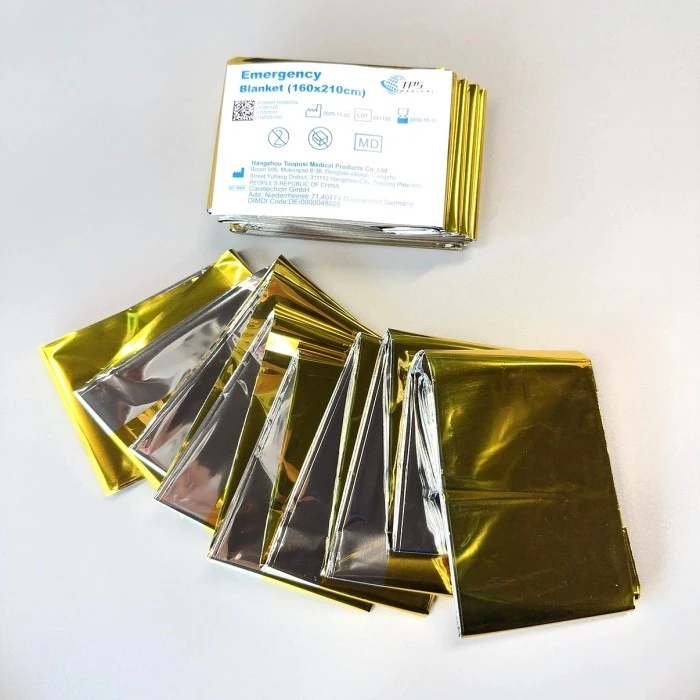
In addition, the Mylar Foil Blanket can help prevent hypothermia in patients, especially those who may be in shock due to tension pneumothorax or other injuries. Hypothermia can worsen the patient's condition and make it more difficult to treat.
Connect for Procurement
If you are involved in tactical operations and are in need of high - quality tactical first - aid equipment, we are here to help. We understand the importance of reliability and functionality in these critical situations. Our products are designed and tested to meet the highest standards. Connect with us to discuss your procurement needs. We can provide customized solutions to ensure that you have the right equipment for your specific requirements.

References
- American College of Surgeons. Advanced Trauma Life Support (ATLS) Student Course Manual.
- Centers for Disease Control and Prevention. Tactical Combat Casualty Care Guidelines.
- National Association of Emergency Medical Technicians. Tactical Emergency Casualty Care (TECC) Guidelines.