

Sports tapes are versatile tools widely used in the sports and fitness industry, serving a multitude of purposes that enhance performance, prevent injuries, and aid in the recovery process. As a supplier of high - quality sports tapes, I have witnessed firsthand the diverse applications and benefits these products offer. In this blog, I will delve into the various uses of sports tapes and explore how they can make a significant difference in the lives of athletes and fitness enthusiasts.
Injury Prevention
One of the primary uses of sports tapes is injury prevention. Athletes engage in high - intensity activities that put a great deal of stress on their joints, muscles, and ligaments. Sports tapes can provide support to these areas, reducing the risk of sprains, strains, and other common injuries.
For instance, ankle sprains are a prevalent injury in sports such as basketball, soccer, and tennis. By applying an Cotton Athletic Tape around the ankle in a specific pattern, it can limit excessive movement and provide stability. The tape acts as an external support structure, mimicking the function of ligaments and helping to keep the joint in its proper alignment. This reduces the likelihood of the ankle rolling or twisting during sudden movements, thus preventing sprains.
Similarly, knee injuries are also common, especially in sports that involve a lot of running, jumping, and quick changes in direction. Knee tapes can be used to support the patella (kneecap) and the surrounding ligaments. They can help to maintain the correct tracking of the patella, reducing the pressure on the knee joint and minimizing the risk of conditions such as patellar tendonitis or iliotibial band syndrome.
Performance Enhancement
Sports tapes can also play a role in enhancing an athlete's performance. When an athlete feels confident that their joints are well - supported, they can focus more on their game and push themselves to the limit without the fear of getting injured.
Some sports tapes are designed to provide proprioceptive feedback. Proprioception is the body's ability to sense its position, movement, and orientation in space. Tapes that are applied with the right tension can stimulate the nerve endings in the skin, providing the athlete with a better sense of joint position and movement. This improved proprioception can lead to more precise movements, better balance, and increased coordination, all of which contribute to enhanced performance.
For example, in gymnastics, where precise movements and balance are crucial, gymnasts often use sports tapes on their wrists, ankles, and other joints. The tapes help them to have a better feel for their body position in the air and on the apparatus, allowing them to execute complex routines with greater accuracy.
Pain Relief and Recovery
In addition to injury prevention and performance enhancement, sports tapes are also valuable for pain relief and recovery. When an athlete sustains an injury, such as a muscle strain or a joint sprain, the application of a sports tape can help to alleviate pain and promote healing.
Cold Bandage Wrap is a type of sports tape that combines the benefits of compression and cold therapy. The compression provided by the tape helps to reduce swelling by limiting the flow of blood and fluid to the injured area. At the same time, the cold therapy helps to numb the pain and reduce inflammation. This combination can significantly speed up the recovery process and allow the athlete to return to their sport more quickly.
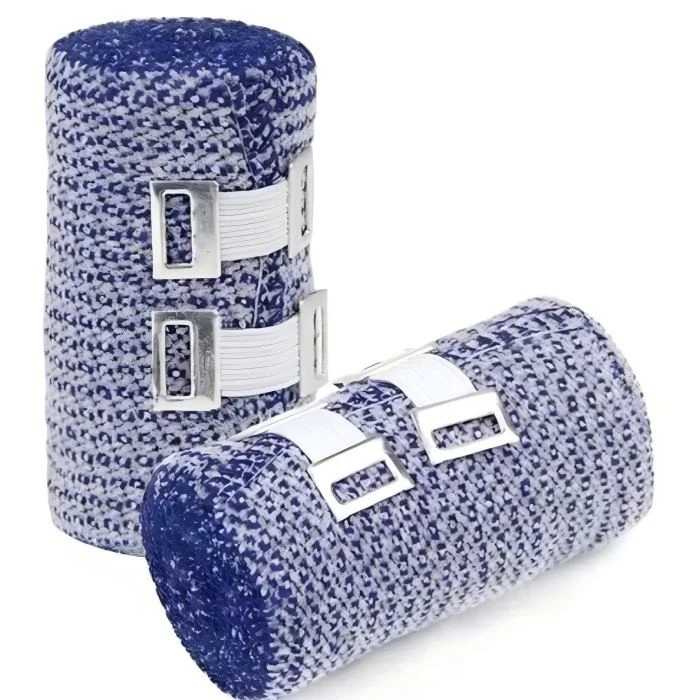

Moreover, sports tapes can be used to support the injured area during the recovery phase. By providing external support, the tape takes some of the stress off the injured muscles, ligaments, or joints, allowing them to heal without being over - stressed. This can prevent further damage and promote a more complete recovery.
Different Types of Sports Tapes and Their Uses
There are several different types of sports tapes available on the market, each with its own unique properties and uses.
- Cotton Athletic Tape: This is one of the most commonly used types of sports tapes. It is made of cotton and has a strong adhesive. Cotton athletic tape is ideal for providing firm support to joints and muscles. It is often used for ankle, knee, and wrist support. The tape can be cut to the desired length and applied in various patterns depending on the specific needs of the athlete.
- Elastic Athletic Tape: Elastic athletic tape is stretchy and flexible, allowing for a greater range of motion. It is often used for muscle support and pain relief. The elasticity of the tape allows it to move with the body, providing support without restricting movement. Elastic athletic tape is commonly used for shoulder, elbow, and hip injuries.
- Kinesiology Tape: Kinesiology tape is a special type of tape that is designed to mimic the elasticity of human skin. It can be applied to the skin in a way that helps to lift the skin and reduce pressure on the underlying muscles and tissues. Kinesiology tape is often used for pain relief, injury prevention, and performance enhancement. It is popular among athletes in a variety of sports, including running, cycling, and swimming.
- Cold Bandage Wrap: As mentioned earlier, cold bandage wrap combines compression and cold therapy. It is typically used for acute injuries, such as sprains and strains, to reduce swelling and pain. The wrap can be applied directly to the injured area and left in place for a certain period of time.
Application Techniques
Proper application of sports tapes is crucial to ensure their effectiveness. Here are some general guidelines for applying sports tapes:
- Clean and dry the skin: Before applying the tape, make sure the skin is clean and dry. This will help the tape to adhere better and prevent it from peeling off.
- Measure and cut the tape: Cut the tape to the appropriate length and width depending on the area to be taped. It is important to measure accurately to ensure a proper fit.
- Apply the tape with the right tension: The tension of the tape should be adjusted according to the specific needs of the athlete. For injury prevention, a moderate tension is usually sufficient. For pain relief and support, a slightly higher tension may be required.
- Follow the correct application pattern: Different types of injuries and areas of the body require different application patterns. It is recommended to consult a sports medicine professional or follow the instructions provided with the tape to ensure the correct application.
Conclusion
Sports tapes are an essential tool for athletes and fitness enthusiasts. They offer a wide range of benefits, including injury prevention, performance enhancement, pain relief, and recovery. As a supplier of sports tapes, I am committed to providing high - quality products that meet the needs of our customers.
If you are an athlete, coach, or fitness professional looking for reliable sports tapes, we would love to hear from you. Whether you need tapes for injury prevention, performance enhancement, or recovery, we have a variety of options to choose from. Contact us to discuss your specific requirements and start a procurement negotiation. We look forward to working with you to help you achieve your sports and fitness goals.
References
- McHugh, M. P., & Cosgrave, C. R. (2010). Effects of kinesiology taping on joint position sense and dynamic balance in healthy individuals. Journal of Athletic Training, 45(2), 139 - 144.
- Bleakley, C. M., Glasgow, P., & MacAuley, D. C. (2004). Compression for acute soft - tissue injury. Cochrane Database of Systematic Reviews, (2).
- Mullaney, M. J., & Uhl, T. L. (2007). Proprioceptive effects of ankle taping in healthy subjects. Journal of Athletic Training, 42(1), 61 - 67.