

When it comes to non woven disposables, aesthetics might not be the first thing that comes to mind. Many people associate non woven disposable products with functionality, hygiene, and cost - effectiveness. However, in today's market, the aesthetic aspect of non woven disposables is becoming increasingly important. As a reliable supplier of non woven disposables, I have witnessed the growing demand for products that not only perform well but also look good.
Perception of Non Woven Disposable Aesthetics
The initial perception of non woven disposables was often as plain, utilitarian items. They were designed to serve a single - use purpose, such as protecting against contamination, absorbing fluids, or providing a barrier. In medical settings, for example, non woven gowns, masks, and caps were seen mainly as functional tools to prevent the spread of germs. The focus was on their ability to meet strict safety and quality standards rather than their appearance.
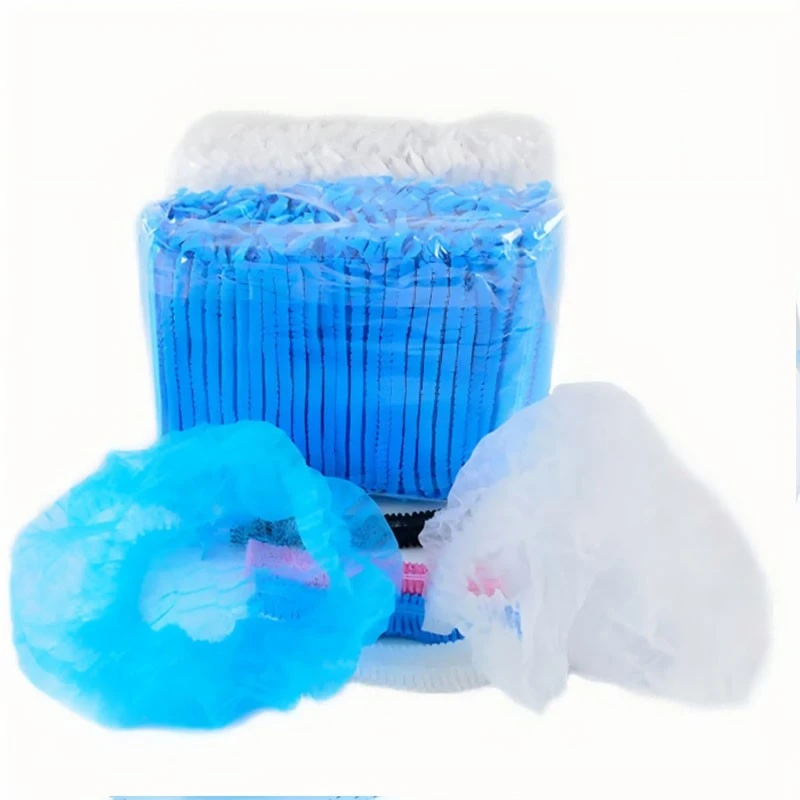
But the landscape has changed. Consumers are now more discerning, and in many industries, aesthetics play a vital role in product selection. In the healthcare sector, patients and medical staff alike appreciate products that are not only effective but also visually appealing. For instance, a Disposable Non Woven Cap that has a clean, well - designed appearance can enhance the overall impression of a medical facility. It gives a sense of professionalism and attention to detail, which can be reassuring to patients.
In the home and hospitality sectors, non woven disposables are also subject to aesthetic evaluation. Blue Disposable Underpads, as seen here, need to blend in with the decor of a room rather than look out of place. Aesthetics can influence how these products are received by consumers. If an underpad has a uniform color and a smooth texture, it is more likely to be accepted as a part of the overall setting.
Design Elements Affecting Aesthetics
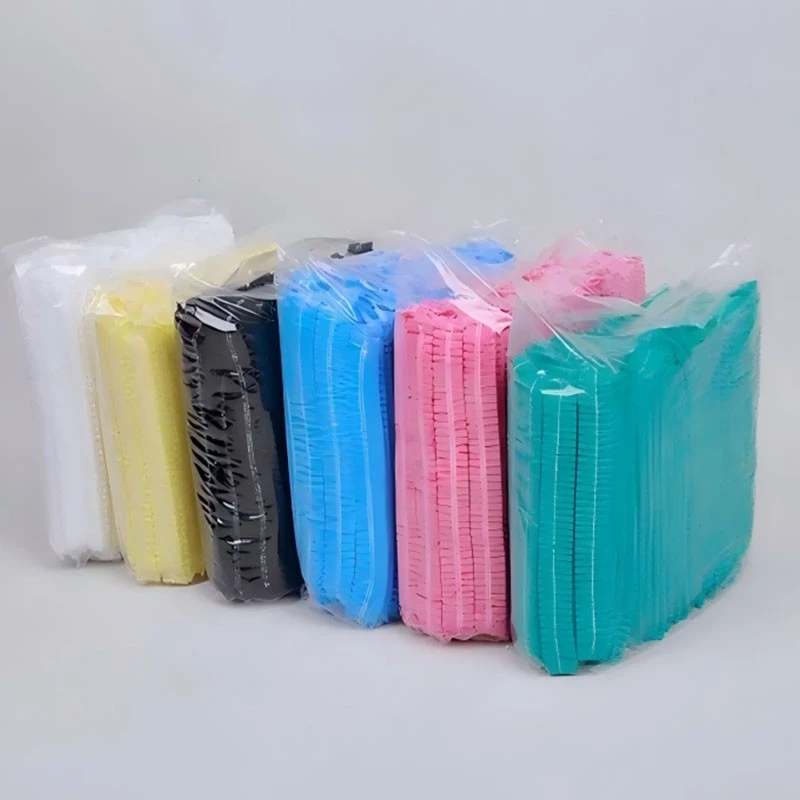
- Color: Color is one of the most impactful design elements of non woven disposables. In medical applications, traditional colors like white and blue are commonly used because they are associated with cleanliness and sterility. White, in particular, gives an immediate impression of purity. However, there is an emerging trend towards using more diversified colors. For example, a Mask For Daily Use can come in various colors to match different fashion preferences. This not only makes the mask more appealing but also encourages people to wear it regularly. In non - medical settings, such as in the food service industry, bright and cheerful colors can be used to create a positive and inviting atmosphere.
- Texture: The texture of non woven disposables can also greatly affect their aesthetic appeal. A soft, smooth texture can give a more high - end and luxurious feel. For non woven tablecloths or napkins in the catering industry, a velvety texture can elevate the dining experience. On the other hand, a slightly rough texture might be suitable for some industrial - use non woven products, as it can convey a sense of durability.
- Printing and Patterns: Printing and patterns can transform a simple non woven product into a more visually interesting one. In the consumer market, non woven shopping bags with printed logos or trendy patterns are increasingly popular. In the medical field, although the use of patterns might be more restricted due to hygiene requirements, subtle prints can still be applied for identification purposes. For example, a non woven gown with a discreet hospital logo can add a touch of branding while maintaining a professional look.
Manufacturing Techniques for Aesthetic Improvement
Advanced manufacturing techniques play a crucial role in enhancing the aesthetics of non woven disposables. For color application, modern dyeing and printing technologies ensure that the colors are vibrant, long - lasting, and do not fade easily. This allows for the production of non woven products with high - quality colors and patterns.
In terms of texture, manufacturers can use processes like calendaring to create a smooth and shiny surface or embossing to add a three - dimensional texture. These techniques not only improve the appearance of the product but also can enhance its functionality in some cases. For example, an embossed non woven wipe might have better absorption and scrubbing capabilities.
The precision of cutting and molding also contributes to the overall aesthetic. A non woven product with clean, straight edges looks more professional and finished than one with uneven or frayed edges. Automated cutting machines ensure high - precision cuts, which are essential for creating uniform and aesthetically pleasing non woven disposables.
Aesthetic Considerations Across Different Industries
- Healthcare: In the healthcare industry, aesthetics are important for both patient comfort and staff satisfaction. As mentioned earlier, well - designed Disposable Non Woven Caps and masks can make a positive impression on patients. Additionally, colorful and aesthetically pleasing non woven medical supplies can also help to reduce the stress and anxiety often associated with hospital visits. For medical staff, comfortable and attractive non woven gowns and uniforms can boost morale and a sense of professionalism.
- Food Service: In the food service industry, non woven disposables need to meet both hygiene and aesthetic standards. Disposable table linens, napkins, and food containers should have an appealing appearance to enhance the dining experience. Blue Disposable Underpads can also be used in food storage areas, where they need to be clean - looking and blend in with the environment. Additionally, non woven aprons with interesting prints can add a touch of fun and style to the restaurant staff.
- Consumer Goods: In the consumer goods market, non woven disposables such as cleaning wipes, shopping bags, and personal care products are evaluated based on their appearance. A nicely - designed Mask For Daily Use is more likely to be chosen by consumers in a retail setting. Packaging also plays a significant part in the aesthetic appeal at the point of sale. An eye - catching package can attract consumers' attention and increase the product's marketability.
The Importance of Aesthetics in Branding and Marketing
For a non woven disposable supplier like me, aesthetics play a key role in branding and marketing. A well - designed product range can create a strong brand image. Consistently using high - quality colors, textures, and patterns across different non woven products can make the brand more recognizable and memorable.
In marketing campaigns, the aesthetic appeal of the products can be a major selling point. High - resolution product photos highlighting the colors, textures, and details of non woven disposables can attract potential customers. Social media platforms are also an excellent avenue to showcase the aesthetic features of the products. Sharing visually appealing images of Disposable Non Woven Caps or Blue Disposable Underpads can generate interest and engagement among the target audience.
Conclusion and Call to Action
In conclusion, the aesthetics of non woven disposables have come a long way from their simple, utilitarian beginnings. They now play a significant role in various industries, from healthcare to consumer goods. As a non woven disposable supplier, I am committed to providing products that not only meet strict quality and functional requirements but also have high - end aesthetics.
If you are interested in sourcing high - quality, aesthetically - pleasing non woven disposables, we would love to discuss your specific needs. Whether you are a hospital administrator looking for the perfect non woven caps, a restaurant owner in need of attractive table linens, or a retailer seeking trendy masks, we have got you covered. Reach out to us to start a conversation about your procurement requirements. We are confident that our products will exceed your expectations in terms of both performance and appearance.
References
- "Nonwoven Fabrics: Structure, Properties, and Applications" by S. K. Batra
- "The Aesthetics of Product Design" by Donald A. Norman
- Industry reports from the non woven disposable manufacturing sector