

An emergency trauma bandage is a crucial piece of equipment in the field of first aid, especially in high - risk environments such as combat zones, sports arenas, or industrial sites. One common question that arises is whether an emergency trauma bandage can be effectively used on a wound on the back. As a trusted emergency trauma bandage supplier, I will provide scientific and practical insights into this matter.
The Function and Design of Emergency Trauma Bandages
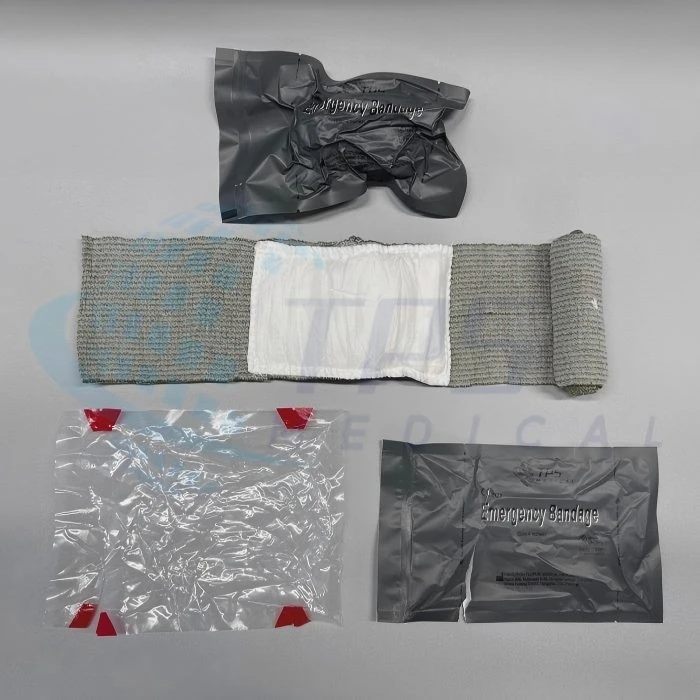
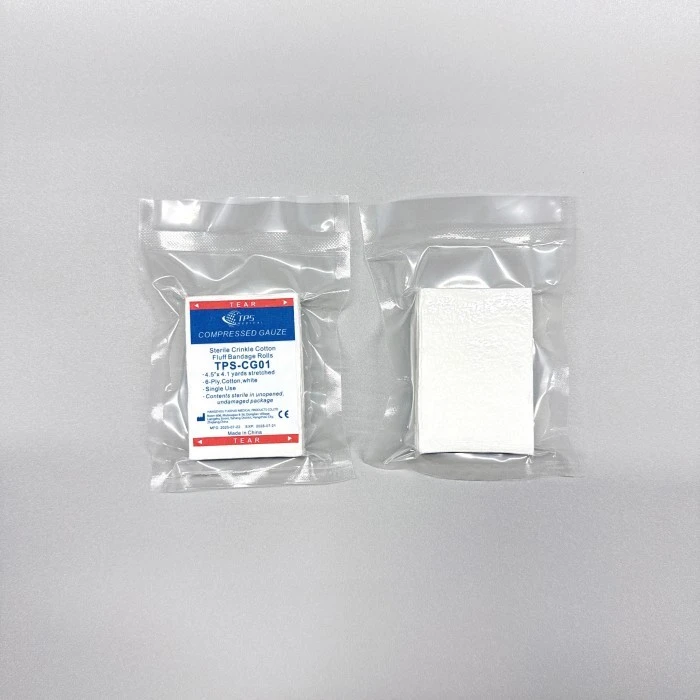
Emergency trauma bandages are designed to address severe bleeding promptly. They typically feature a combination of high - absorbency materials and a mechanism to apply pressure on the wound. Most of these bandages are equipped with a large, easy - to - use pressure pad that can be placed directly over the wound to stem the flow of blood. Some also come with a self - adhesive strip or a compression mechanism to maintain the pressure. For example, our Compressed Krinkle Gauze is an excellent choice as it can expand once in contact with blood, providing better coverage and absorption.
Challenges of Treating Back Wounds
Treating wounds on the back presents several unique challenges compared to wounds on other parts of the body. Firstly, the back is a large area, and it can be difficult to access the wound, especially if the patient is lying down or in a restricted position. Secondly, the curvature of the back makes it hard to maintain consistent pressure on the wound. Unlike the limbs, where a Tactical Combat Tourniquet can be easily applied to stop bleeding, the complex anatomy of the back requires a more delicate approach.
Using an Emergency Trauma Bandage on a Back Wound
Despite the challenges, an emergency trauma bandage can be used effectively on a back wound. Here are the steps to follow:
Step 1: Assess the Situation
Before applying the bandage, it is essential to ensure your own safety and the safety of the patient. Wear appropriate personal protective equipment if available. Then, quickly assess the severity of the wound. Look for signs of heavy bleeding, such as spurting blood or large pools of blood. If the bleeding is extremely severe, you may need to consider additional measures while preparing the trauma bandage.
Step 2: Position the Patient
Ideally, the patient should be lying on their side or stomach to provide better access to the back wound. If possible, have someone assist you to maintain the patient's position during the application of the bandage.
Step 3: Apply the Bandage
Unroll the emergency trauma bandage and place the pressure pad directly over the wound. Ensure that the pad covers the entire wound area. If the bandage has a self - adhesive strip, start by securing the strip on one side of the wound. Then, carefully wrap the bandage around the patient's torso, applying firm pressure as you go. Make sure the bandage is tight enough to control the bleeding but not so tight as to cause discomfort or restrict breathing. If the wound is large, you may need to use additional bandages or Emergency Compression Bandage to provide adequate coverage and pressure.
Step 4: Secure the Bandage
Once the bandage is wrapped around the torso, secure the end of the bandage using the provided fasteners. Check the bandage regularly to ensure that the pressure is maintained and that there is no further bleeding. If the bleeding continues, you may need to re - apply the bandage or seek further medical assistance.
Advantages of Using an Emergency Trauma Bandage on a Back Wound
There are several advantages to using an emergency trauma bandage on a back wound. Firstly, it is a relatively simple and quick method to control bleeding. In an emergency situation, time is of the essence, and a trauma bandage can be applied within minutes, potentially saving the patient's life. Secondly, the bandage provides a physical barrier that helps prevent further contamination of the wound. This can reduce the risk of infection, which is a significant concern in any open wound.
Limitations and Considerations
While an emergency trauma bandage can be effective in controlling bleeding on a back wound, it is not a substitute for professional medical care. If the wound is deep, involves internal organs, or if the bleeding does not stop after applying the bandage, immediate medical attention is required. Additionally, patients with back wounds may be at risk of spinal cord injury. Therefore, it is crucial to handle the patient with care and avoid any unnecessary movement that could exacerbate the injury.
Other First - Aid Items for Back Wounds
In addition to the emergency trauma bandage, there are other first - aid items that can be useful when treating back wounds. A Mylar Foil Blanket can be used to keep the patient warm, especially if they are in shock due to blood loss. Shock is a life - threatening condition that can occur when the body loses a significant amount of blood, and keeping the patient warm can help prevent further complications.
Conclusion
In conclusion, an emergency trauma bandage can indeed be used on a wound on the back. While there are challenges associated with treating back wounds, following the proper steps and using the right techniques can make the bandage an effective tool in controlling bleeding. As a supplier of high - quality emergency trauma bandages, we are committed to providing you with the best products to meet your first - aid needs. If you are interested in purchasing our emergency trauma bandages or other related first - aid products, we encourage you to contact us to discuss your requirements. We look forward to the opportunity to serve you and be your reliable partner in emergency first - aid solutions.
References
- American Red Cross. First Aid and CPR/AED Participant's Manual.
- National Association of Emergency Medical Technicians. Prehospital Trauma Life Support Provider Manual.