

When it comes to foot injuries or support, Crepe Bandage Elastic can be an incredibly useful tool. As a supplier of high - quality Crepe Bandage Elastic, I'm here to share some special instructions for using it on the foot.
Understanding Crepe Bandage Elastic
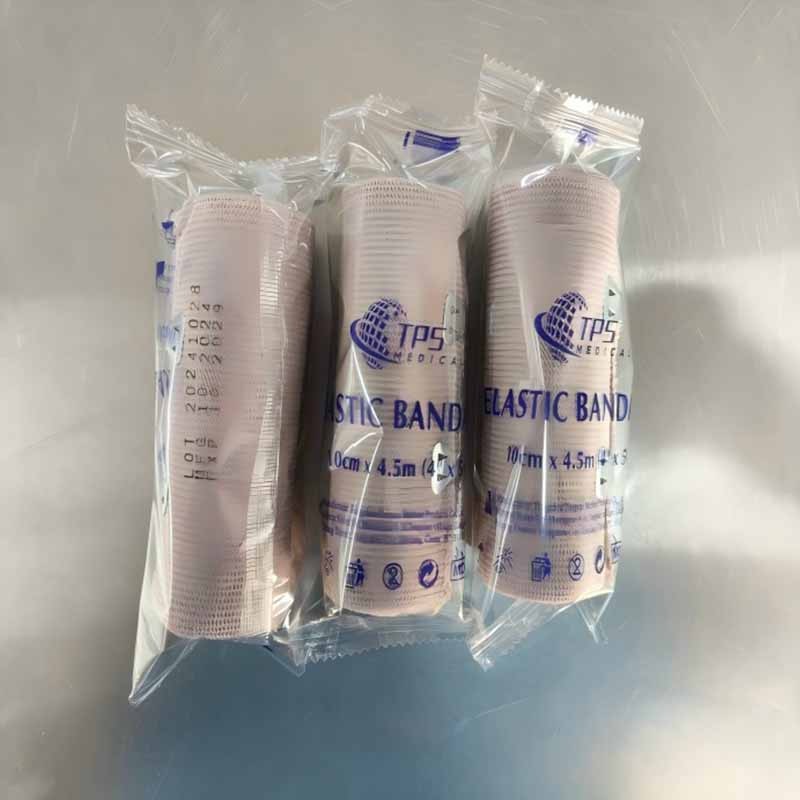
First, let's briefly understand what Crepe Bandage Elastic is. It is a type of medical bandage made from a crinkled material that offers both elasticity and conformability. This means it can stretch to fit different foot shapes and sizes, while also providing a certain level of support. Our Crepe Bandage Elastic is designed with high - quality materials, ensuring durability and effectiveness.
Preparation Before Application
Before applying the Crepe Bandage Elastic on the foot, it's essential to prepare properly.
- Clean the Foot: Make sure the foot is clean and dry. Any dirt or moisture on the skin can cause irritation or reduce the bandage's adhesive properties. You can gently wash the foot with mild soap and water, then pat it dry with a clean towel.
- Inspect the Skin: Check the foot for any cuts, abrasions, rashes, or swelling. If there are open wounds, it's important to cover them with a sterile dressing before applying the bandage to prevent infection.
- Choose the Right Size: Select a Crepe Bandage Elastic that is appropriate for the size of the foot. A bandage that is too narrow may not provide adequate support, while one that is too wide can be difficult to apply and may not stay in place properly.
Application Steps
Now, let's go through the step - by - step process of applying Crepe Bandage Elastic on the foot.
- Start at the Ankle: Begin by wrapping the bandage around the base of the ankle. This provides a stable starting point for the rest of the wrapping. Make sure the bandage is snug but not too tight, as a overly tight bandage can restrict blood flow.
- Create a Figure - 8 Pattern: After wrapping around the ankle, bring the bandage diagonally across the top of the foot towards the toes. Then, wrap it back under the foot and around the heel, creating a figure - 8 pattern. This pattern helps to provide support to multiple areas of the foot simultaneously.
- Continue the Wrapping: Keep repeating the figure - 8 pattern, moving up the foot towards the ankle with each wrap. Make sure each layer of the bandage overlaps the previous one by about half of the bandage's width. This ensures even pressure distribution and better support.
- Secure the End: Once you have completed the wrapping, secure the end of the bandage. You can use the built - in adhesive on the bandage or a safety pin. Make sure the end is firmly attached to prevent the bandage from unraveling.
Special Considerations
There are several special points to consider when using Crepe Bandage Elastic on the foot.
- Avoid Over - Tightening: One of the most common mistakes is applying the bandage too tightly. This can lead to decreased blood circulation, numbness, tingling, or even tissue damage. Periodically check the toes for signs of poor circulation, such as discoloration or coldness. If you notice any of these symptoms, loosen the bandage immediately.
- Limit Wearing Time: While Crepe Bandage Elastic can provide support, it's not advisable to wear it continuously for extended periods. Take breaks and remove the bandage to allow the foot to breathe. Prolonged wearing can cause skin irritation and may result in reduced muscle strength over time.
- For Specific Conditions: If the foot has a specific injury, such as a sprain or strain, the application of the bandage may need to be adjusted. In some cases, additional support or a different wrapping technique may be required. For example, for a severe ankle sprain, it may be necessary to use a more rigid support in combination with the elastic bandage.
Alternative Bandages
In addition to Crepe Bandage Elastic, there are other types of bandages that can be used on the foot.
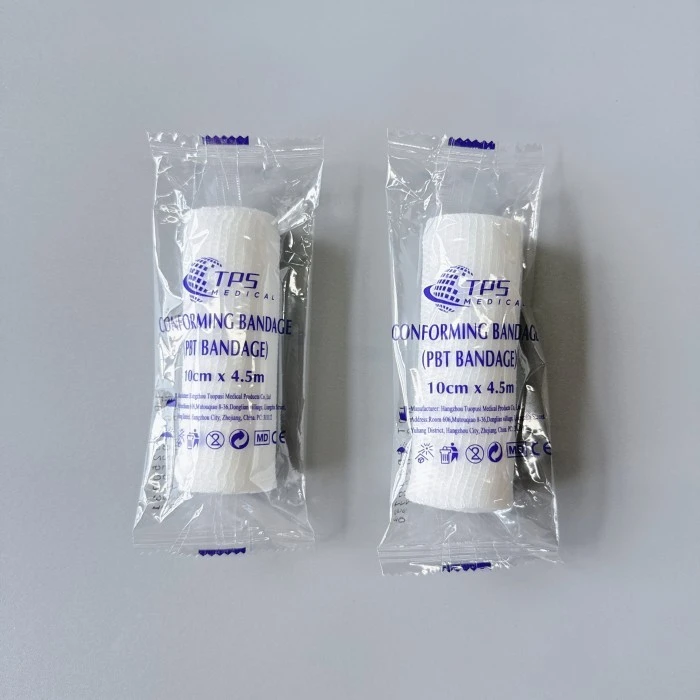
- PBT Conforming Bandage: This type of bandage is known for its excellent conformability and is often used for securing dressings or providing light support. It is a good option for minor foot injuries or for use in combination with other treatments.
- High Elastic Bandage: As the name suggests, it has a higher degree of elasticity. It can be used for providing more compression, such as in cases of swelling or for athletes who need extra support during physical activities.
When to Seek Professional Advice
While Crepe Bandage Elastic can be a useful self - care tool, there are situations where professional advice should be sought.
- Severe Pain or Swelling: If the pain or swelling in the foot does not improve after a few days of using the bandage, or if it gets worse, it's important to consult a healthcare provider. This could be a sign of a more serious injury, such as a fracture or ligament tear.
- Chronic Conditions: For individuals with chronic foot conditions, such as diabetes or arthritis, using a bandage should be done under the guidance of a medical professional. These conditions can affect blood circulation and skin sensitivity, and improper use of a bandage can lead to complications.
Conclusion
Using Crepe Bandage Elastic on the foot can provide valuable support and help in the recovery process of various foot conditions. However, it's crucial to follow the proper application instructions and take special considerations into account. As a reliable supplier of Crepe Bandage Elastic, we are committed to providing high - quality products that meet your needs.
If you are interested in purchasing our Crepe Bandage Elastic or other related medical bandages, we welcome you to contact us for procurement and further discussions. We can offer competitive prices and excellent service to ensure your satisfaction.
References
- Medical Encyclopedias on Foot Injuries and Bandage Use
- Professional Studies on the Effectiveness of Different Types of Medical Bandages